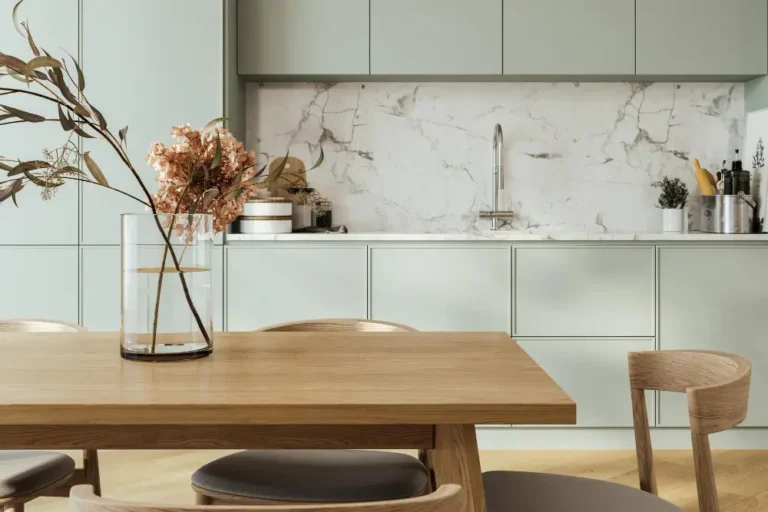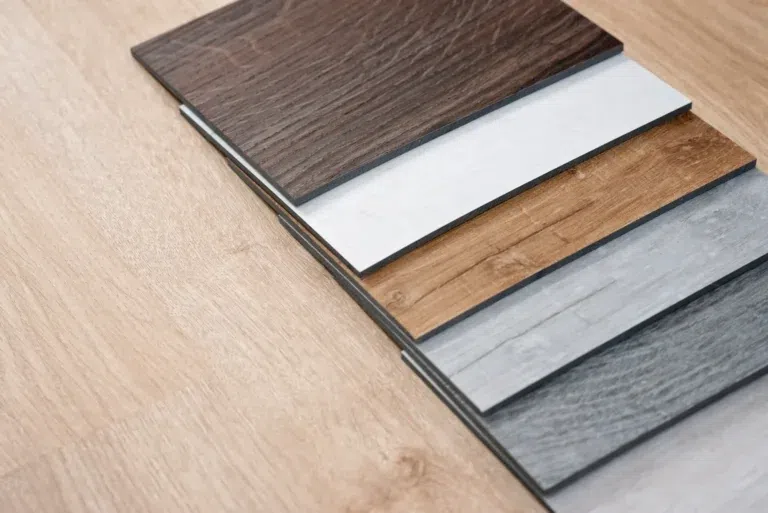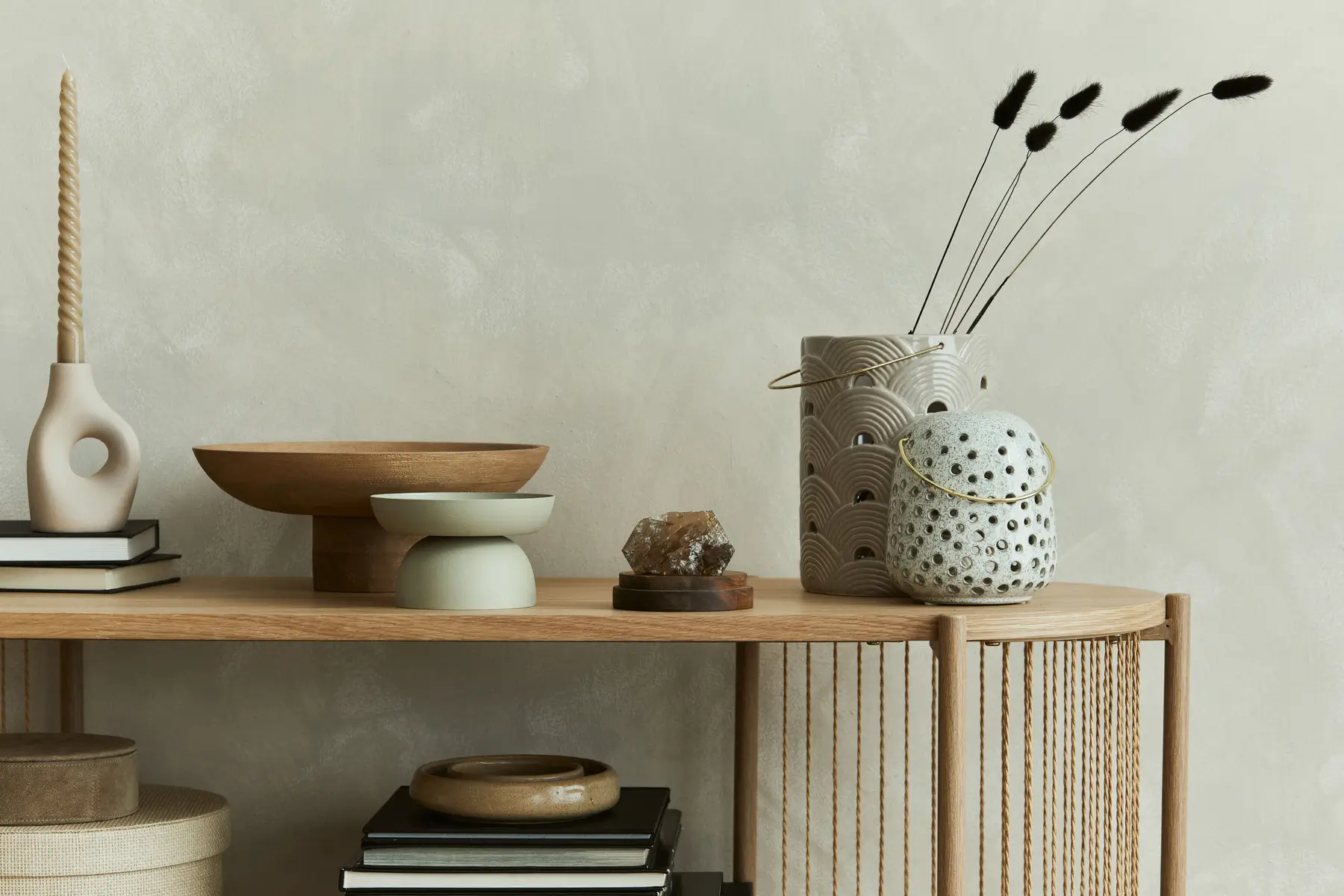
Many people think that feng shui is some kind of complicated, esoteric system that only experts can understand. The reality is that the basic principles of feng shui for home design are logical, practical, and can be applied by anyone, even if you don’t believe in its spiritual aspects. This ancient Chinese wisdom is about spatial arrangement and the flow of energy, which in practice means arranging your home in a way that supports your well-being, peace of mind, and productivity.
What is feng shui, and why does it work in interior design?
Feng shui literally means „wind and water.” It is a Chinese philosophy dating back more than 3,000 years that focuses on creating harmony between people and their environment. According to its basic principles, every space has its own energy, called chi, and this life energy flows through interior spaces.
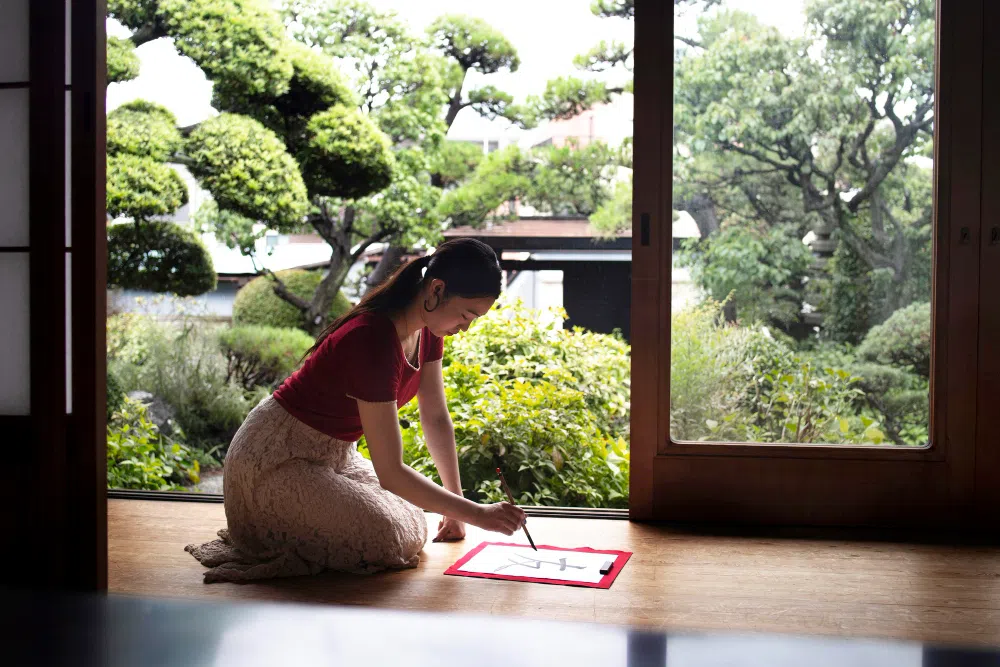
Feng shui in interior design isn't about painting everything red or placing crystals everywhere. Rather, it's about:
- Optimize the functionality of the space: the arrangement of the furniture affects how you move around the space.
- Create visual balance: the right proportions and symmetry convey a sense of calm.
- Maximize natural light: Light has a direct effect on your mood.
- Reduce clutter: order and cleanliness also promote mental well-being.
From a feng shui perspective, a well-designed living space is one where positive energy flows freely, there are no obstacles or stagnant areas, and every object has its place and purpose.

Feng Shui Principles in Interior Design
Before you begin making specific changes to your rooms, it’s a good idea to understand the essence of the principles of feng shui. These principles can be applied to any space and will help you make well-considered decisions.
The Balance of the Five Elements
In feng shui, there are five basic elements: wood, fire, earth, metal, and water. These elements appear in various forms, colors, and materials:
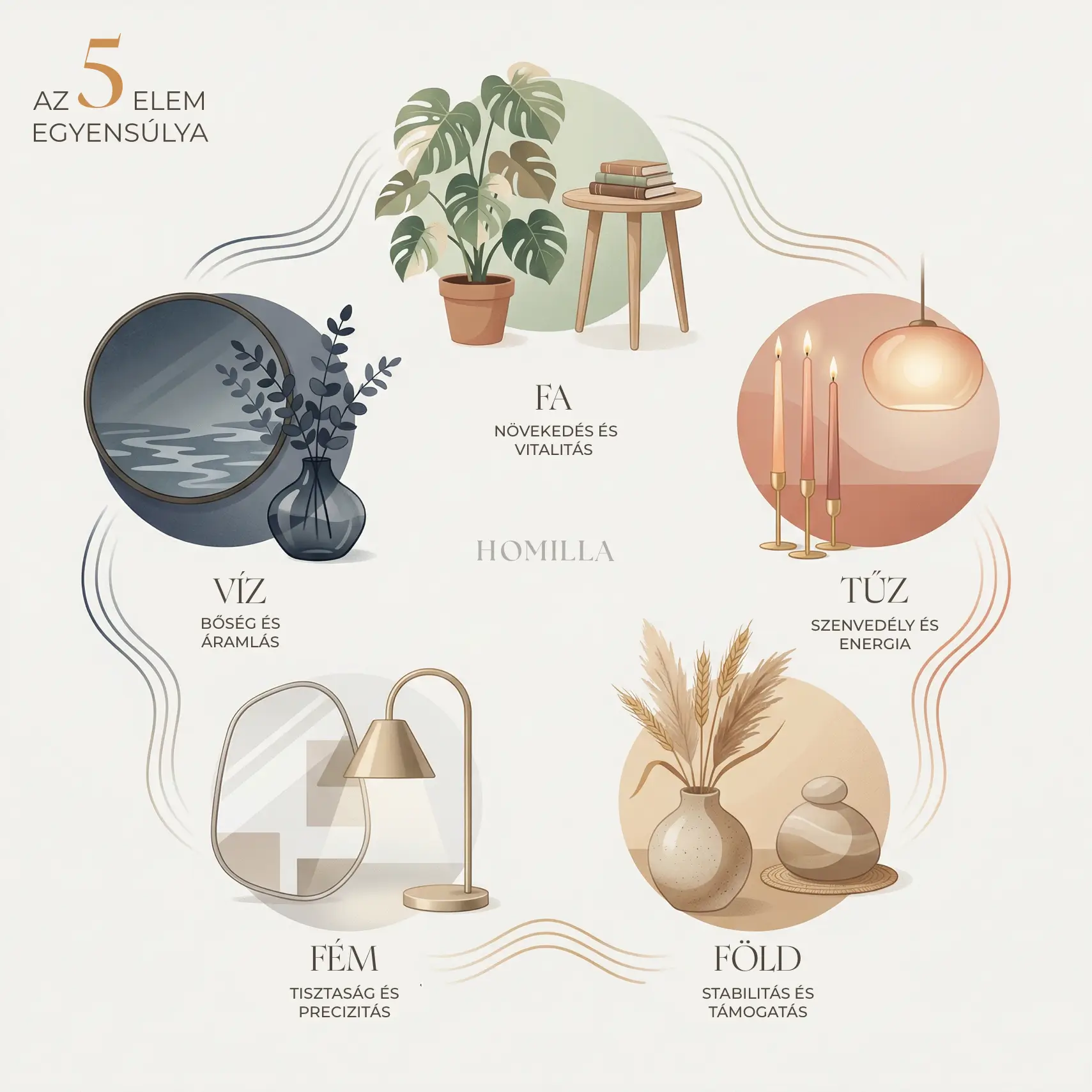
- Wooden element: green and brown colors, plants, wooden furniture—symbolizing growth and vitality
- Fire Element: shades of red, orange, and pink, candles, lighting—evoking passion and energy
- Earth Element: beige, yellow, and earth tones; ceramics; stone—provide stability and support
- Metal element: white, gray, and gold; metal furniture and decorative elements—symbolizing purity and precision
- Water Element: blue and black colors, mirrors, an aquarium—symbolizing abundance and flow
In a harmonious living space, all five elements are present in some form. There’s no need to overcomplicate things: if there is a your beige sofa (earth), your green plants (wood), your warm, atmospheric lighting (fire), a blue decorative pillow (water) and your metal floor lamp (metal), then you've already got the balance.
The Free Flow of Chi
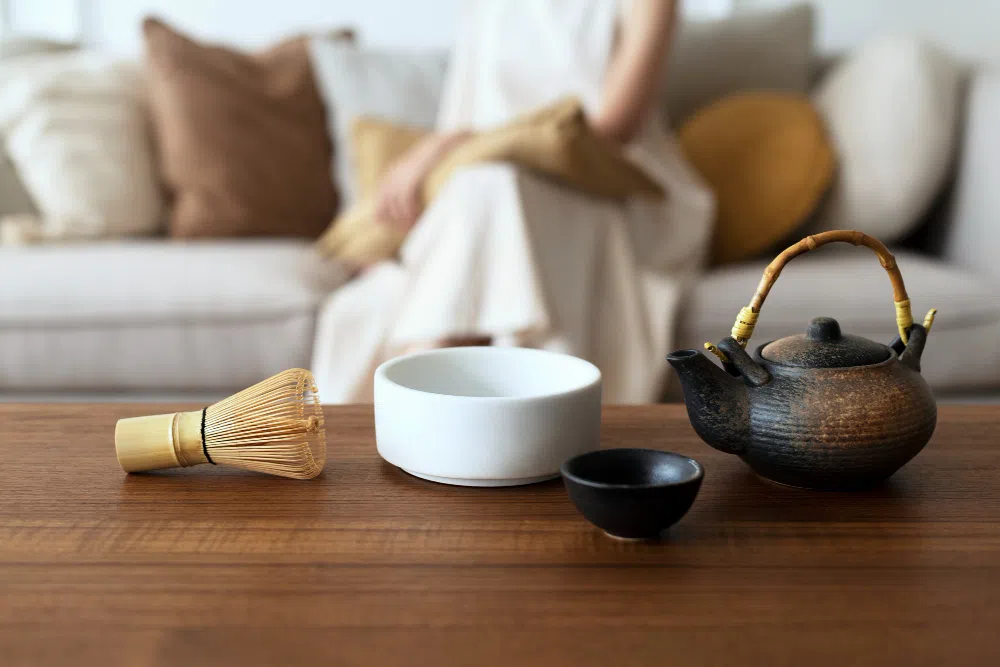
The flow of chi, or life energy, is one of the most important principles of feng shui. If energy encounters obstacles in your home, it can lead to stagnation and tension. Here are some practical tips for improving the flow of energy:
- Keep traffic routes clear: Do not place furniture in front of doors and windows!
- Avoid sharp corners: Round or oval furniture radiates a softer energy.
- Fix what's broken: A dripping faucet or a broken light bulb can disrupt the flow of energy.
- Clean the nooks and crannies regularly: Dust and dirt can block positive energy.
Using the Bagua Map
The Bagua is an octagonal map that Feng Shui masters use to determine which areas of a home correspond to which zones. Although using the Bagua map is a more complex topic, there is one basic rule worth remembering: the Bagua map can be applied in two ways.
According to classical feng shui, we position the floor plan based on the cardinal directions by determining north and aligning the map accordingly. In the Western method, however, the front door serves as the starting point, and the bottom row of the Bagua—that is, the „career” sector—is always aligned with the wall of the front door. Which method you use depends on whether you prefer the traditional compass method or the simpler, interior design-oriented approach.
Feng Shui in the Bedroom: A Sanctuary for Rest
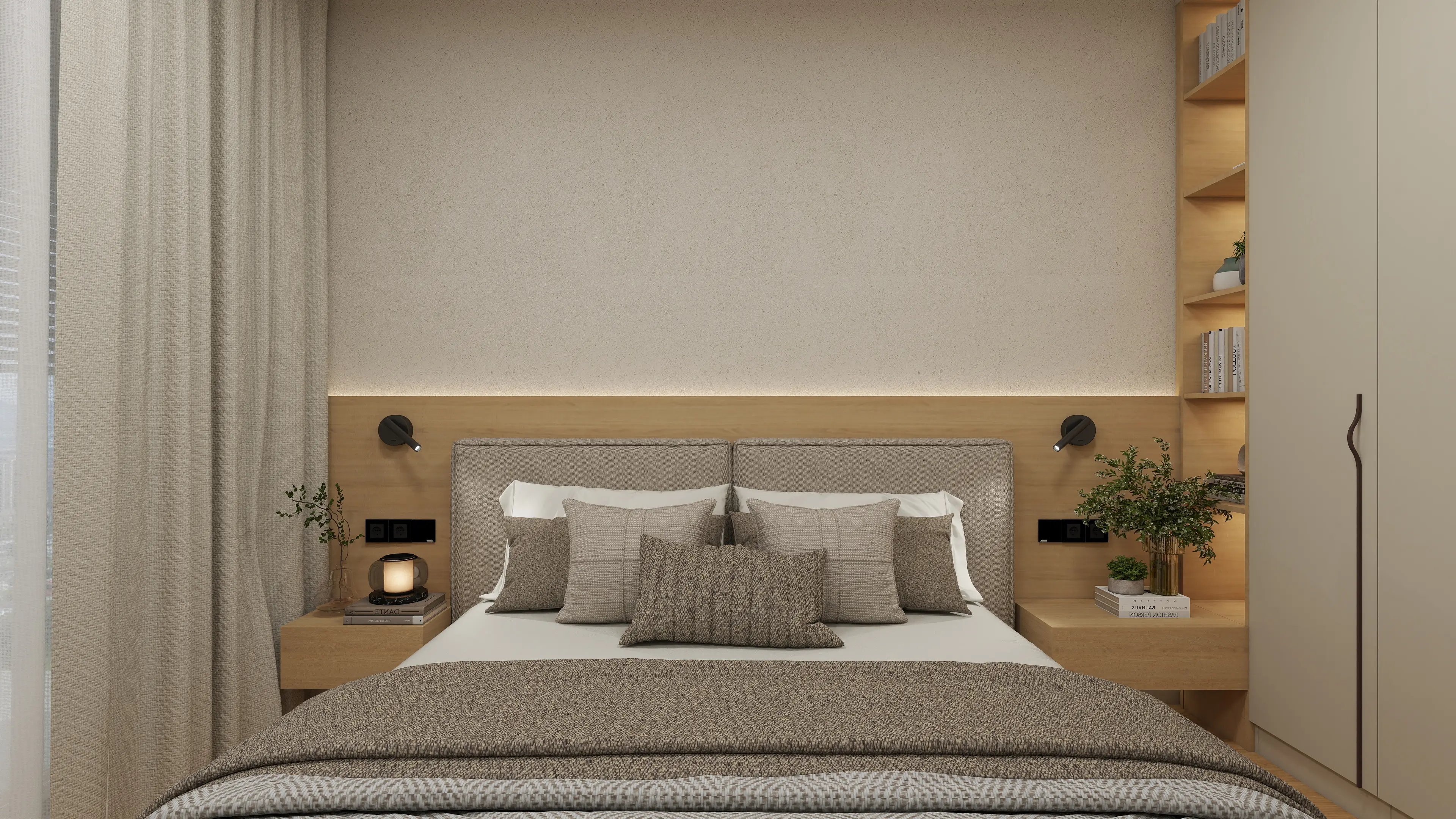
The bedroom is a place for rest and rejuvenation, so it’s especially important to apply the principles of feng shui properly here as well. A well-designed bedroom promotes restful sleep and harmonious relationships.
Placement of the Bed
The position of the bed is the most critical element in the bedroom:
- Don't place the bed directly across from the door: this is the „dead position,” which can interfere with sleep.
- Make sure there is a solid wall behind the head of the bed: this provides stability and a sense of security.
- The bed should be accessible from both sides: this is especially important for couples, so that both partners get an equal share of energy.
- Avoid placing it under a window: energy escapes too quickly, which can lead to restless sleep.
Mirrors in the bedroom
From a feng shui perspective, mirrors play a special role. However, they should be used with caution in the bedroom:
- Don't place a mirror opposite the bed: the mirror reflects energy, which can disrupt your sleep.
- Avoid ceiling mirrors: they bring too much active energy into a space intended for relaxation.
- If you must have a mirror in the bedroom, cover it at night: a curtain or a cloth can work.
Colors and Decorative Elements
In the bedroom, it's a good idea to use soothing, earthy colors. Beige, pastel pink, soft green, and neutral shades All are good choices. If you want to add a little character to the space, use decorative items in pairs, as this symbolizes harmonious relationships.
Feng Shui in Common Areas: Living Room and Dining Room
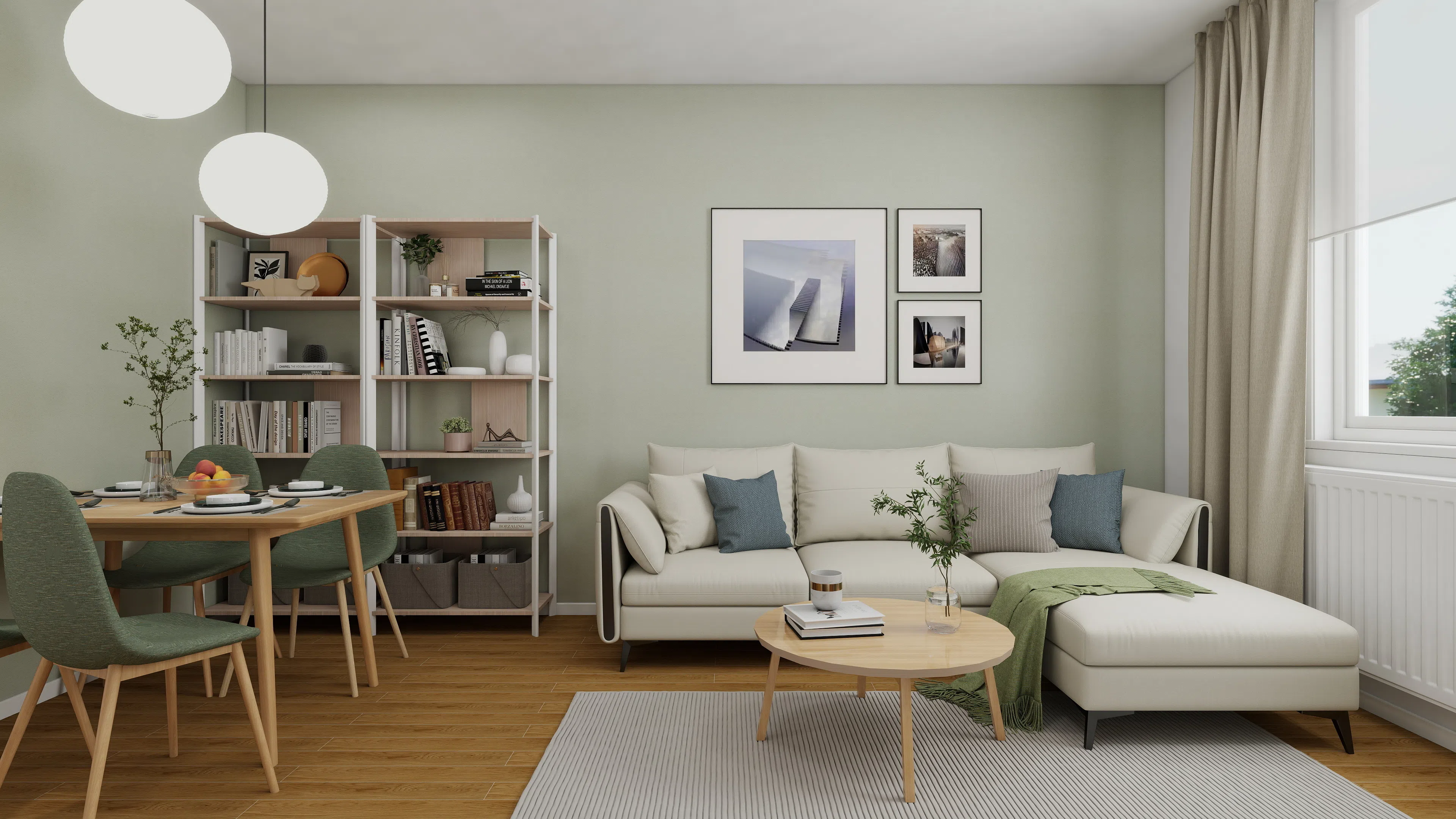
The living room and dining room are the hubs of family and social life, where most of the time spent together and communication takes place. The goal here is to create an open and welcoming atmosphere.
Furniture Arrangement in the Living Room
The arrangement of living room furniture can determine how family members interact with one another.
- Create conversation areas: arrange the seating so that the chairs face each other.
- Don't block the windows with objects: allowing natural light to flow in freely is essential.
- Use a round coffee table: the round shape promotes a continuous flow of energy.
- Avoid overcrowding: a spacious, airy living room radiates positive energy.
Basic Principles of Dining Room Design
The dining room is a symbol of abundance and nourishment. Here are a few basic rules:
- Choose a round or oval table: it symbolizes equality and togetherness.
- Use high-quality, comfortable chairs: every guest should have a comfortable, stable place to sit.
- Keep your desk tidy: don't use it as an office or storage space.
- Decorate with fresh fruit or flowers: they bring a sense of freshness and vitality to the space.

A interior design styles Many of these styles incorporate feng shui elements; for example, Scandinavian minimalism emphasizes cleanliness and functionality, which aligns perfectly with the philosophy of feng shui.
Feng Shui in the Children's Room: Safety and Creativity
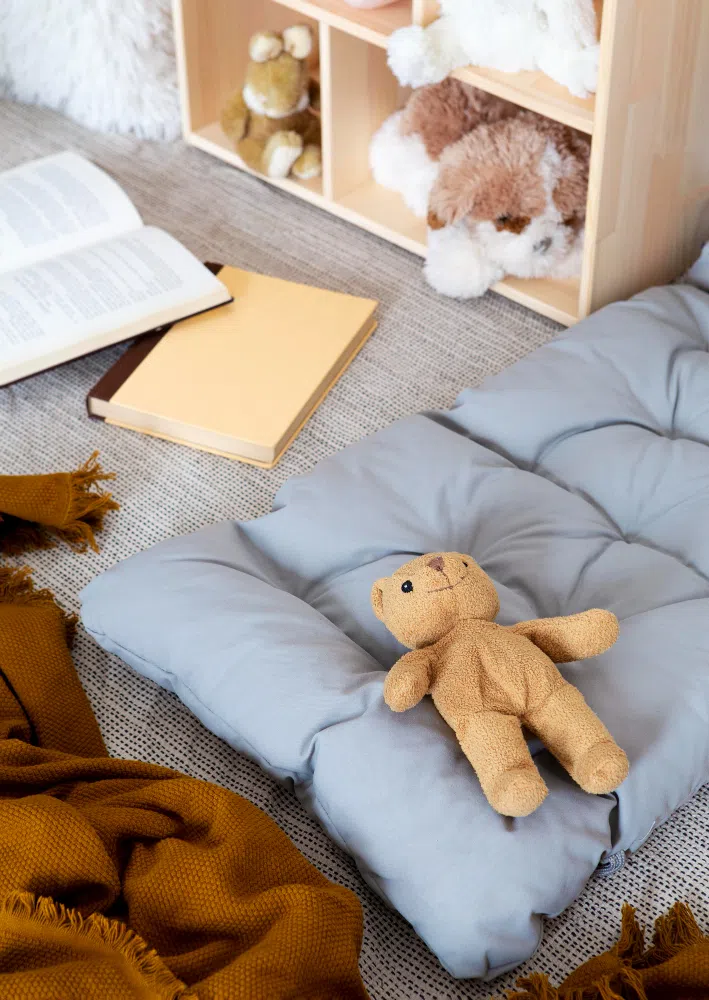
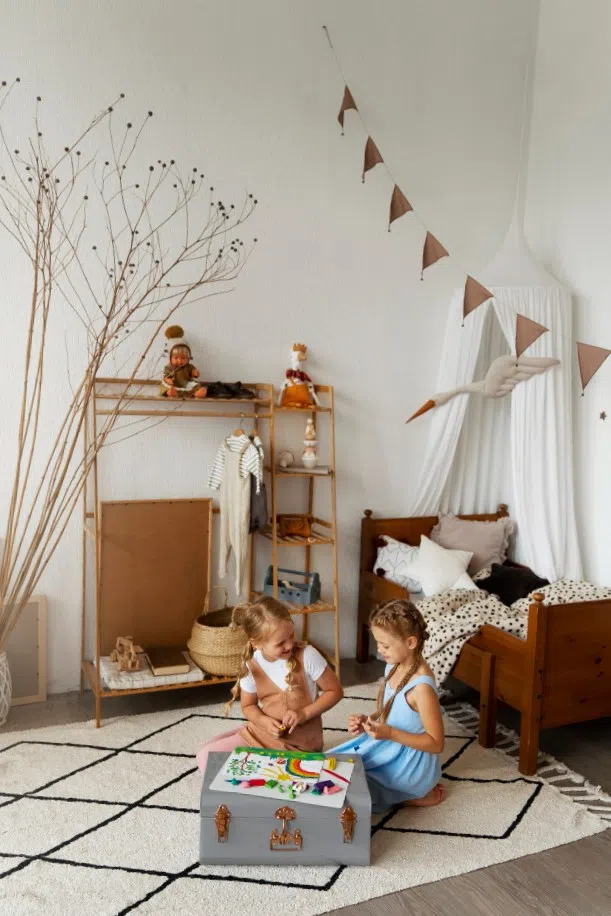
A child's room is a special space where the primary goals are to foster a sense of security, creativity, and learning. Feng shui should be applied here in a way that best suits the child's age and personality.
The Location of the Bed and the Desk
- The bed should be in a stable position, leaning against a wall: a sense of security is especially important for children.
- The desk shouldn't be positioned with its back to the door: the child should be able to see who is coming in; this reduces feelings of anxiety.
- Avoid shelves above the bed: they can create a feeling of oppression.
Colors and Decorative Elements
You can use brighter colors in the children’s room, but avoid shades that are too intense. Pastel blue, green, yellow, or soft orange are all good choices. It’s important to take your child’s opinion into account as well, because if they get to choose the colors and decorations, they’ll feel more comfortable in the room.
Feng Shui in the Kitchen and Bathroom
Although the kitchen and bathroom are functional spaces, feng shui plays an important role here as well.
The Kitchen: A Place of Nourishment and Abundance
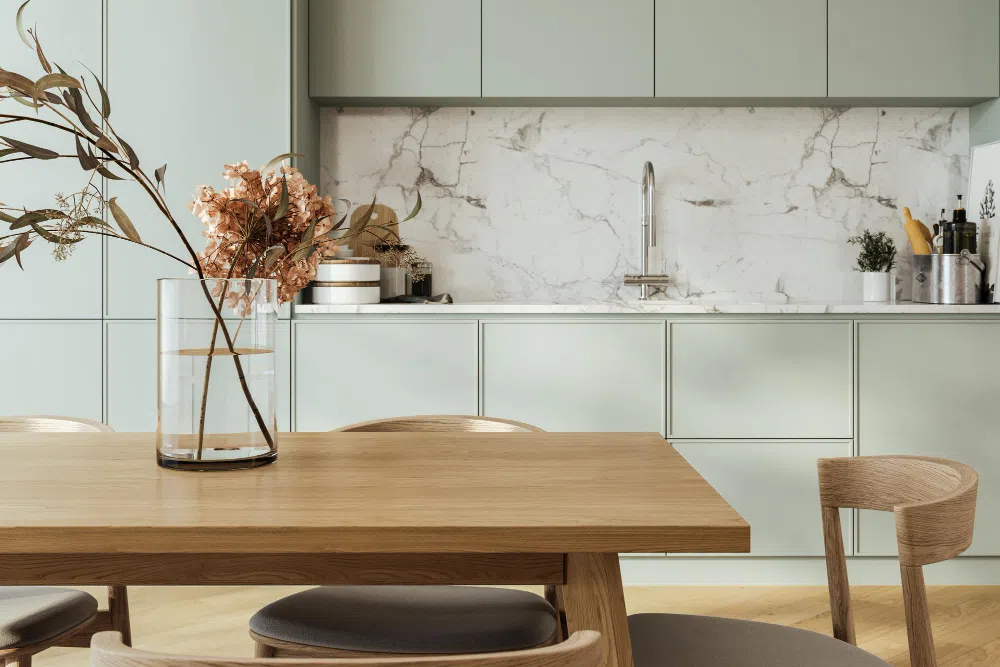
- Keep it clean and tidy: the kitchen is the heart of your family's health.
- The stove should not be placed directly next to the sink: the elements of fire and water may come into conflict with each other.
- Use fresh herbs: they bring positive energy and vitality.
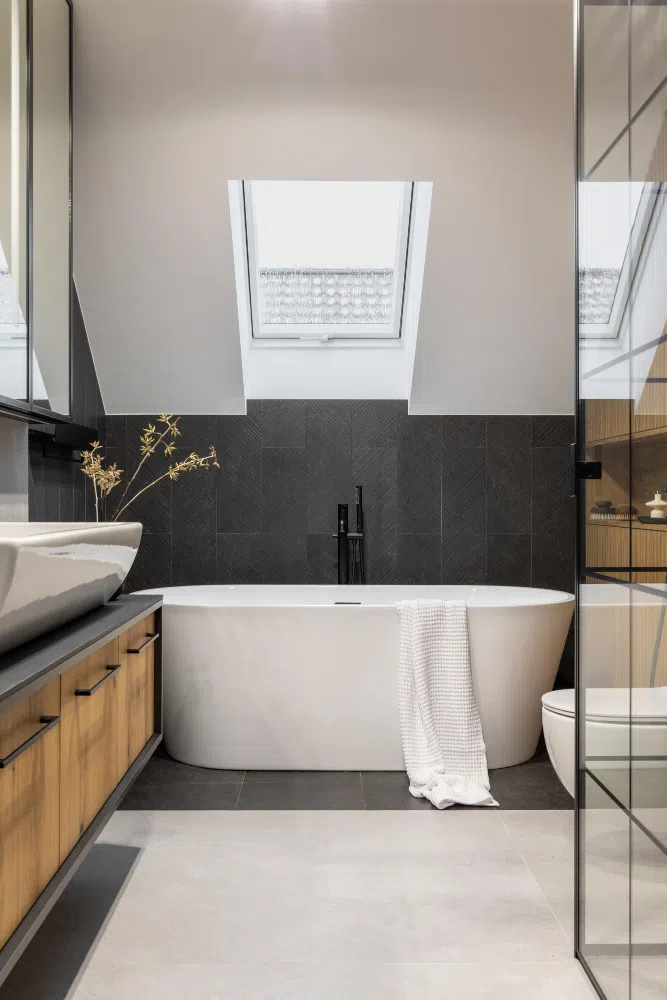
Bathroom: Energy Conservation
- Keep the toilet lid closed: this prevents positive energy from „flushing away.”.
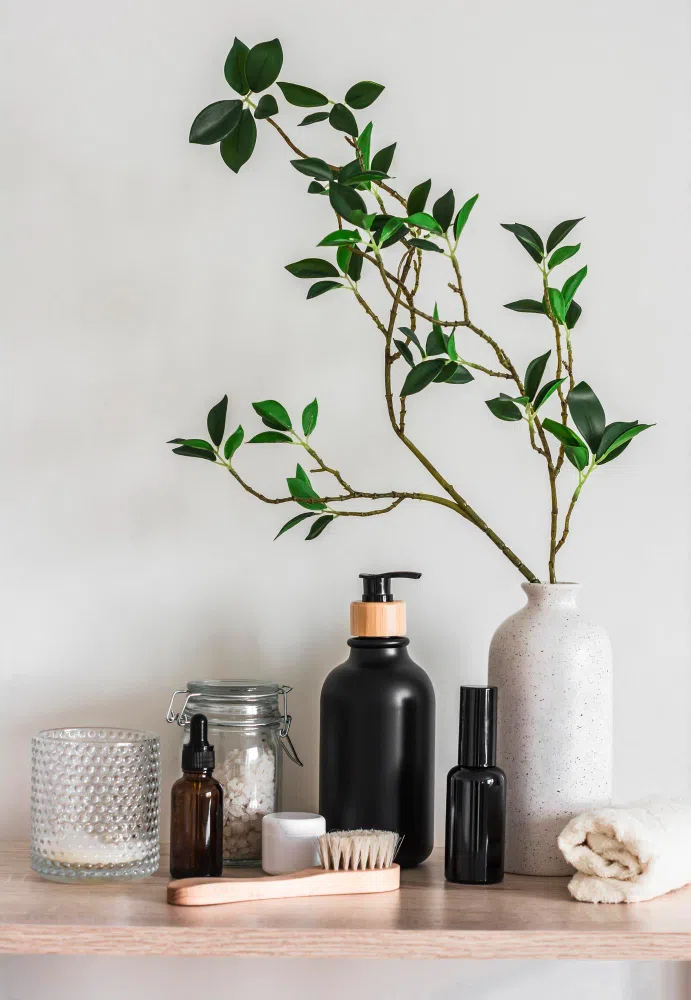
- Use plants: they help balance the water element.
- Good ventilation is essential: moisture and mold cause stagnant energy.
Feng Shui Home Decor: Practical Tips
If you're ready to start applying one of the basic principles of feng shui, begin with these simple steps:
1. Cleaning and Tidying Up
Order and cleanliness are the foundation of everything. Go through every part of your home and get rid of anything you don’t use or that evokes negative feelings in you. Clutter blocks the flow of energy.
2. Fix what's broken
Broken objects and malfunctioning appliances all have a negative effect on energy. Fix that leaky faucet, replace the burned-out light bulb, and get rid of that cracked mirror, which is already associated with bad feelings anyway.
3. Incorporate natural elements
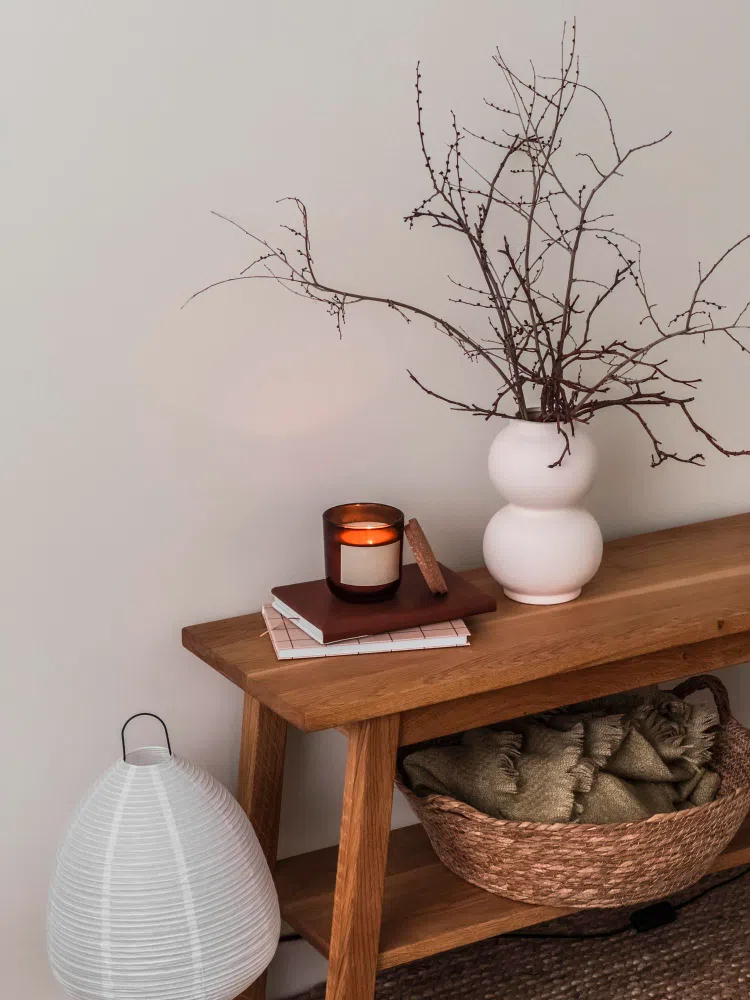
Plants, natural materials, and stones all help you connect with nature. A well-placed houseplant or two can work wonders.
4. Optimize the lighting
Natural light is best, but where that’s not possible, use layered lighting. Dark corners can cause stagnant energy, so it’s important to light every area properly.
5. Pay attention to the proportions
Furniture that's too large can feel overwhelming in a small space, while pieces that are too small get lost in a spacious room. The furnishings or the home decor and interior design Proportions are crucial throughout this process.
Feng Shui and Modern Interior Design Styles
Feng shui principles are not at odds with modern interior design trends. In fact, many contemporary styles fundamentally incorporate the basic principles of feng shui:
- Minimalism: The principle of "less is more" fits perfectly with feng shui.
- Scandinavian style: Natural light, clean lines, and functionality are all fundamental principles of feng shui.
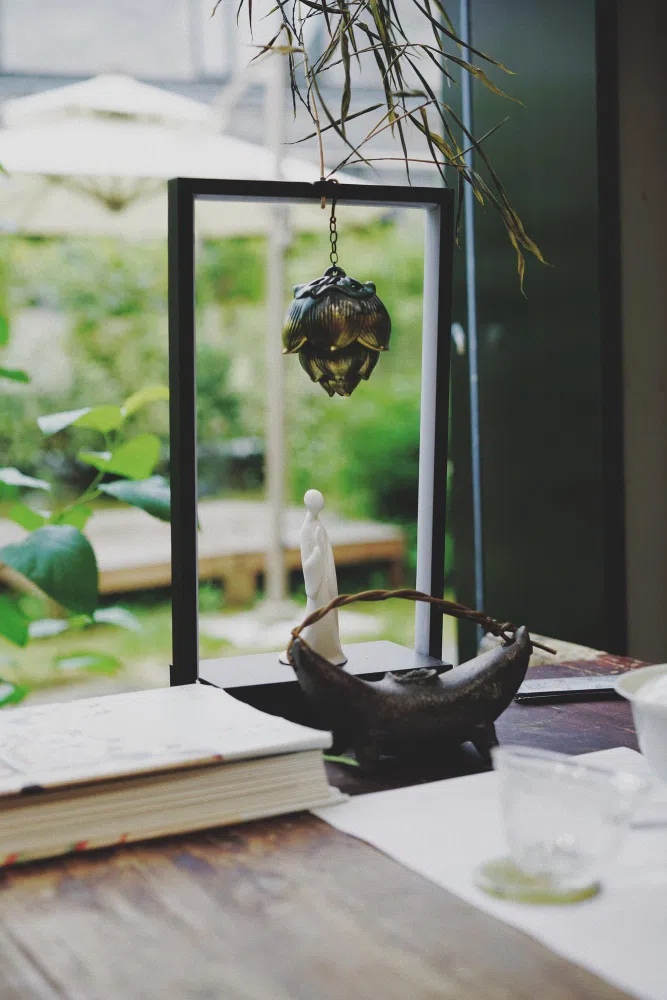
- Japandi: It is a blend of Japanese and Scandinavian styles that creates almost perfect feng shui harmony.
- Wabi-sabi: The perfection of imperfection and its evaluation also draw on the principles of feng shui.
If you'd like to see how to combine feng shui principles with modern trends, check out the 2026 Wall Color Trends, because many shades fit perfectly with the philosophy of feng shui.
Feng Shui Mistakes to Avoid
Some common mistakes that many people make when applying feng shui:
- Overcomplicating Things: You don't have to follow every rule—start with the most important ones!
- Too many symbols: Excessive use of crystals, singing bowls, and symbols can be distracting.
- Sacrificing Style: Feng shui doesn't mean you have to give up your personal style.
- Strict adherence to rules: Feng shui is a guide, not a strict set of rules.
Get Started Now: First Steps Toward Applying Feng Shui
Feng shui-based interior design isn’t a one-time project, but a process that develops over time. Start by paying attention to the energy in your home: in which spaces do you feel comfortable, and where, on the other hand, do you feel tension or stagnation? Then gradually make changes.
If you're building, renovating, or moving into a new home, it's a good idea to seek expert help right from the start. Integrating feng shui principles right from the interior design or interior architecture In the long run, it is much more effective than making changes and optimizations after the fact.
Feng shui isn’t magic; it’s a conscious, thoughtful approach to creating a home where you can truly feel at ease. Following these principles not only creates a visually harmonious home but also supports your well-being, your relationships, and your goals.
If you’d like help integrating the principles of feng shui into your home’s design in a way that fits your personal style and lifestyle, the Homilla team would be happy to assist you. Book a free consultation and let’s discuss how you can create a harmonious, energy-filled home.