Many people think that an interior designer comes into the picture only after a house or apartment has already been built and „all” that’s left is to make it look nice. This is one of the most costly misconceptions you can have.
The reality is that the sooner you bring an interior designer into the process—whether you’re building a new home, buying a home, or renovating—the more time, money, and unnecessary stress you’ll save.
In this article, we'll show you why it's worth turning to a professional right from the start.
An interior designer is not a decorator, but a strategic partner
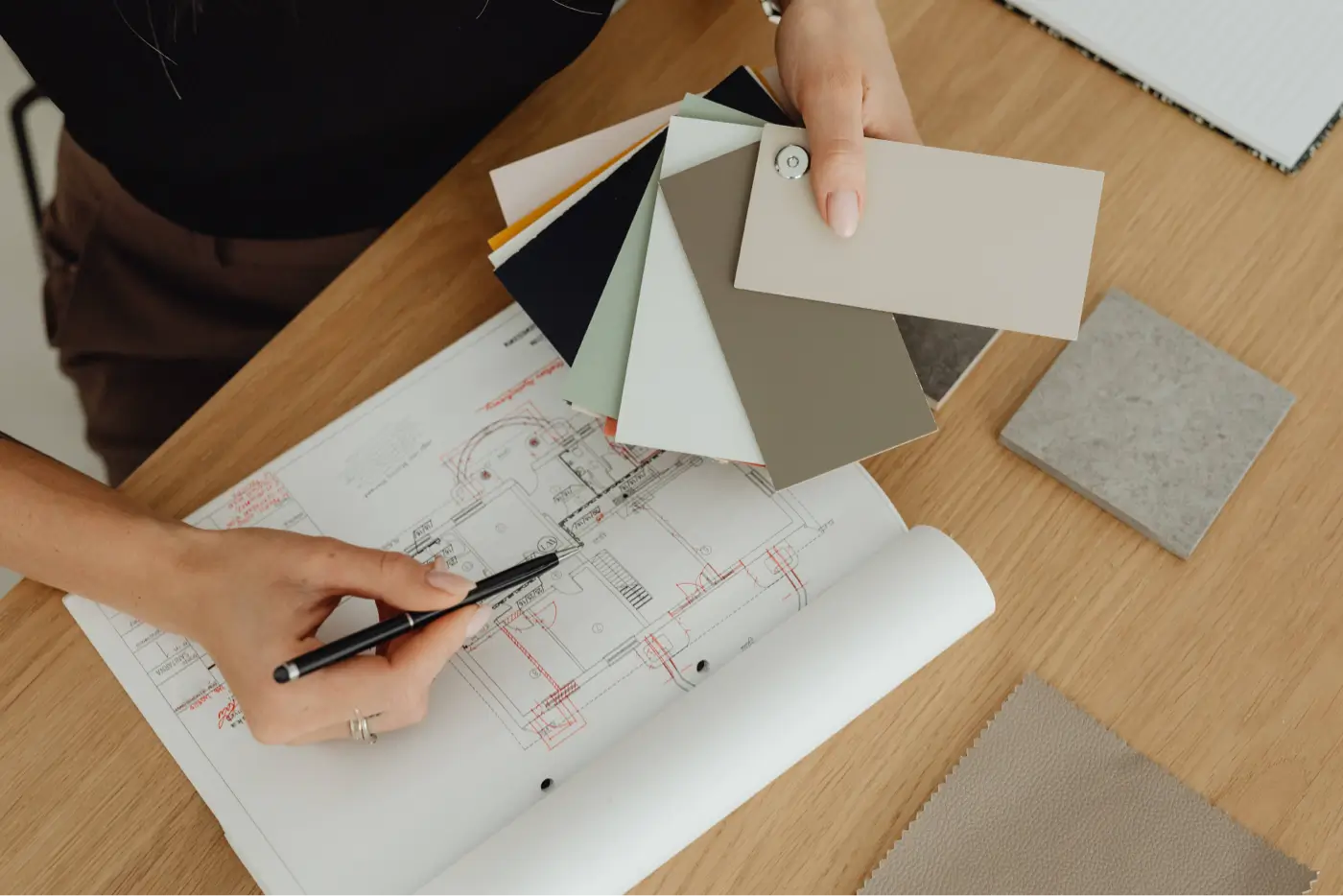
It is a common misconception that an interior designer’s job is merely to choose colors and furniture. In fact, the interior design It is much more complex than that: it is about the functional design of spaces, the coordination of technical solutions, and creating a livable home.
When an interior designer is brought in early in the design process, they can work closely with the architect and the contractor. This way, walls, doors and windows, and mechanical service points are placed not randomly, but in accordance with your actual needs. This isn’t a luxury—it’s the foundation of thoughtful and cost-effective home design.

For new construction: the design phase is the golden opportunity
If you're building a house, the best time to bring in an interior designer is during the phase when the architectural concept is being developed, before the permit drawings are finalized.
Why is this timing so important?
In the case of a house that has already been approved or built, the positions of the windows, doors, and interior walls are also fixed. This drastically limits the optimal layout of the interior spaces. A common problem, for example, is that a window breaks through the wall exactly where kitchen cabinets or a built-in closet would go.
A interior designer By getting involved early on, you can avoid these difficult decisions. The interior layout plans and visual renderings are completed even before the foundation is laid, so the size and placement of doors and windows are tailored to accommodate furniture and make optimal use of natural light.

Maximizing Space Utilization
The interior designer strives to make the most of the space. Every function is allocated sufficient space, traffic flow is unobstructed, and there is no unused „dead space.” This is particularly important in cost-effective construction projects, where even 5–10 m² of unnecessarily built-up floor area can result in millions of forints in extra expenses.
Before Buying a Home: Look Behind the Walls
If you're buying a used apartment or house, bringing in an interior designer before you make your decision can be a huge help. They don't just see what's there—they also see what could be.
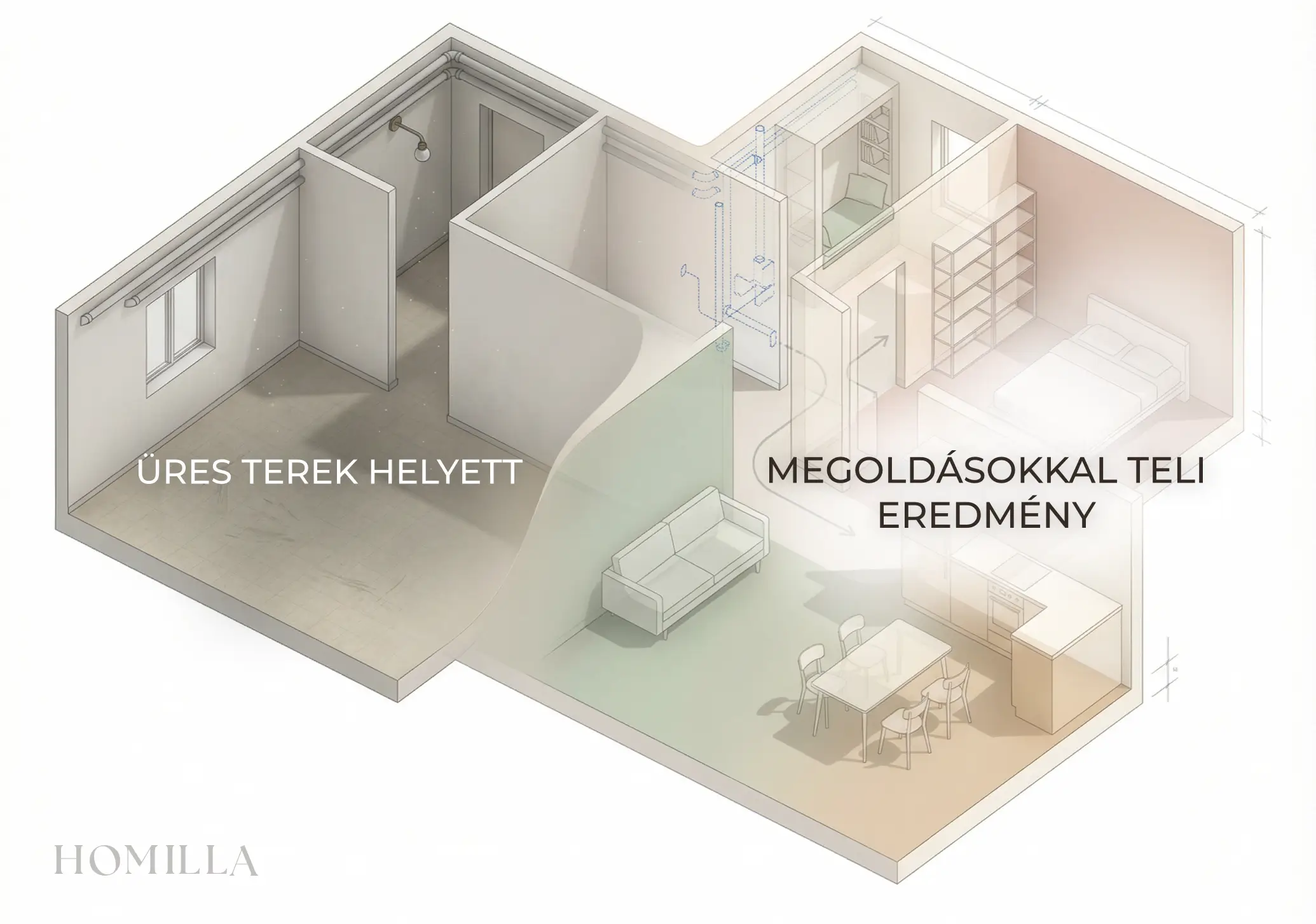
What does an interior designer know before making a purchase?
- Assesses spatial possibilities: shows you how to tailor the space to your needs.
- Identifies hidden problems: poor spatial planning, underutilized areas, technical constraints.
- Provides a realistic cost estimate: You'll know how much it would cost to renovate the apartment to your liking.
With this information, you can make a more informed decision and avoid a situation where a seemingly good deal ends up being a money pit.
In the case of a renovation: there is still an opportunity for optimization before the general contractor’s processes begin
If the plans for your apartment or house are already complete but negotiations with the contractor are still ongoing, this is the ideal time to bring in an interior designer. At this stage, technical details can still be modified without jeopardizing the construction schedule.
Avoiding Extra Work
The ideal situation for a contractor is to receive detailed construction drawings. In this case, the contractor can provide an accurate price and a completion timeline, since all the necessary information—such as material types, finish layouts, and custom furniture designs—is available.
Without an interior designer, the contractor often gets „bogged down in minor details” on site. Until a mutual solution is reached, work must come to a standstill, or the contractor must resort to routine solutions, which can lead to dissatisfaction later on. This spiral of additional work is one of the most costly pitfalls to avoid.
How much do last-minute changes cost?
Here are some typical estimated costs for additional work in Hungary in 2026:
| Type of Modification | Estimated cost | Hidden Additional Costs |
|---|---|---|
| Relocating a Partition Wall | 1,500–2,900 Ft/m² + reconstruction | Rubble removal, plastering, painting |
| Relocation of Dugalj | 15,000–25,000 Ft per item | Chiseling, cable installation, painting the entire wall |
| Adjusting the Position of the Toilet | 40,000–80,000 Ft per appearance | Waterproofing, Replacement of Floor Coverings |
| Replacing the Flooring | Cost of materials 100%-a + labor | Warehousing, Return Shipping |
If the interior design plans are already included in the documentation when the contract is signed, you can definitely save yourself these costs.
Mechanical and Electrical Engineering: Designing Invisible Systems
The mechanical and electrical systems in modern homes are extremely complex. If the interior designer doesn’t get involved until after the structural work is complete, the locations of outlets, switches, and plumbing fixtures are already set, which almost always forces compromises.
Lighting Design and Electrical System
One of the most valuable aspects of comprehensive interior design is the lighting and electrical layout plan. This isn’t just about the number of outlets; it’s a well-thought-out concept:
- general, mood, and functional lighting circuits,
- the location of electrical circuits and light switches,
- the exact type and location of the light fixtures,
- including the integration of smart home solutions.
If the interior designer is brought in early enough, the electrician will know—for example, as early as the masonry phase—where to install recessed lights or the profiles for concealed lighting. This helps avoid costly wall cutting and subsequent repairs later on.
Restrooms: Precision Down to the Millimeter
The positions of toilets, faucet outlets, and drains must be determined with millimeter precision, especially in the case of fixtures installed below the wall surface or freestanding bathtubs. Relocating a poorly positioned sink or a cramped shower after the fact is one of the most expensive types of rework in the plumbing trade.
The design fee: an expense or an investment?
It is a common misconception that hiring an interior designer is merely an extra expense in the budget. In fact, professional design is one of the elements of the project that pays for itself the fastest.
How do you recoup the design fee?
For a 100 m² home, the cost of comprehensive interior design ranges from 1.5 to 2.5 million forint. At the same time, the cost of retroactively correcting a single poorly designed kitchen island or a bathroom placed in the wrong location—including demolition, material waste, and delays—can easily exceed that same amount.
In addition, the interior designer:
- It helps ensure optimal budget allocation: suggests where it's worth using more expensive materials and where you can save money,
- Calculates the exact amount of material needed: You'll avoid buying 10-20% units unnecessarily or experiencing delays due to shortages
- He knows which products offer the best value for the money: which saves several days of research
Delivery Deadlines: The Hidden Time Trap
Due to fluctuations in building material prices and uncertainty in supply chains, the timing of procurement has become a critical factor.
Delivery times for high-quality home furnishings—such as sofas, flooring, custom faucets, and designer lamps—can often exceed 8–12 weeks. If the interior designer selects these items during the design phase, the order can be placed even while the contractor is still working on the foundation.
This ensures that the materials will already be on site when the tiling begins, thereby avoiding weeks-long forced downtime and delays on the construction site.
3D renderings: It's good to see what it will look like before you commit
One of the greatest advantages of modern interior design is digital visualization. With photorealistic 3D renderings, you can see exactly what your future home will look like, even before a single brick is laid.
This visual confirmation eliminates decision-making uncertainty and that „something just doesn’t feel right” feeling after you move in. You can see the colors, materials, and furniture layout all at once, and if you don’t like something, you can easily make changes to the plan.
A Comparison of Early and Late Intervention
| Criterion | Early Involvement (Planning Phase) | Late involvement (after the building is completed) |
|---|---|---|
| Location of Partition Walls | Can be customized to meet your needs | Fixed, or can be modified with an expensive breakdown |
| Assignment of Doors and Windows | Tailored to the furniture layout | Given, it restricts the equipment |
| Space Utilization | Optimized in 100% | „Dead space” with no function is common” |
| Mechanical End Points | Designed for Specific Locations | Compromise solutions |
| Cost Impact | Design fee, but 0 Ft for additional construction work | Significant costs for additional work |
So when is it a good idea to hire an interior designer?
- For new construction: when developing the architectural concept, even before the permit drawings
- When Buying a Home: Before making a decision, to get a realistic picture of the options and costs
- During renovation: before the general contractor agreement is finalized, while the technical details can still be modified
Homilla helps you from the very first step
If you're building, buying, or renovating and would like expert guidance right from the start, you'll find it at Homilla.
Whether you just need advice to help you make decisions, want to have a single room designed, or are looking for a full-scale interior design project, you’ll find the right solution for you here. Consultations take place online, flexibly, and tailored to your schedule.
Request a free quote, schedule a free consultation, and let's discuss how we can best help you.