Designing a child’s room is one of the most exciting—yet also one of the most complex—tasks in creating a home. In this room, aesthetics aren’t the only thing that matters; the space must also be safe, practical, and conducive to a child’s development. In this article, we’ve compiled the latest international trends and proven solutions in home decor and interior design to help you design a truly perfect children’s room. Whether you’re setting up a nursery or redesigning a room for a school-age child, you’ll find all the essential tips here.
Why is it important to design a child's room thoughtfully?
Many people tend to underestimate the complexity involved in designing a child’s room. Yet this room serves the most functions in the entire home over time, as it is simultaneously a bedroom, a play area, a study, and a private space. According to designers, the key to designing a child’s room is to think long-term from the very beginning—that is, it’s worth considering every stage of life (infancy, preschool, school age, teenage years) and adapt the electrical wiring, outlets, and furniture layout options (door and window placement) accordingly.
A well-designed room is not only aesthetically pleasing but also cost-effective, since there’s no need to completely remodel it every few years if the basic layout is flexible from the start. It’s worth considering that Why It's Worth Involving an Interior Designer Right from the Start of the Design Process. With the help of a professional, we can find solutions that will meet our family’s needs for decades to come. As a London-based interior designer put it:
„The best children’s rooms are the ones that evolve, not the ones that become outdated.”
How do we choose colors for a child's room?
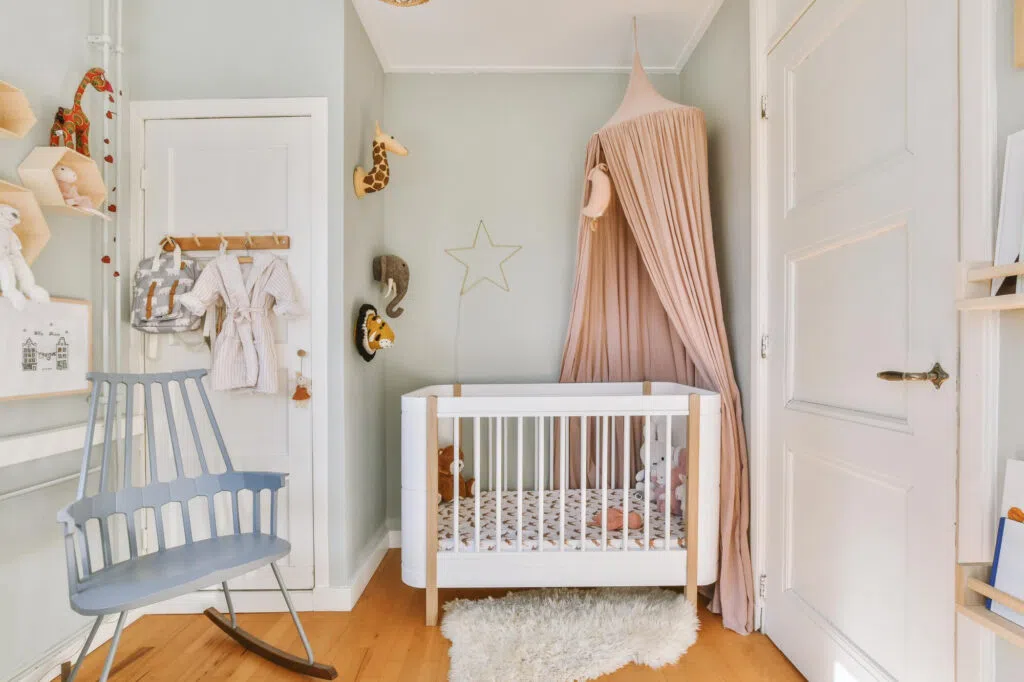
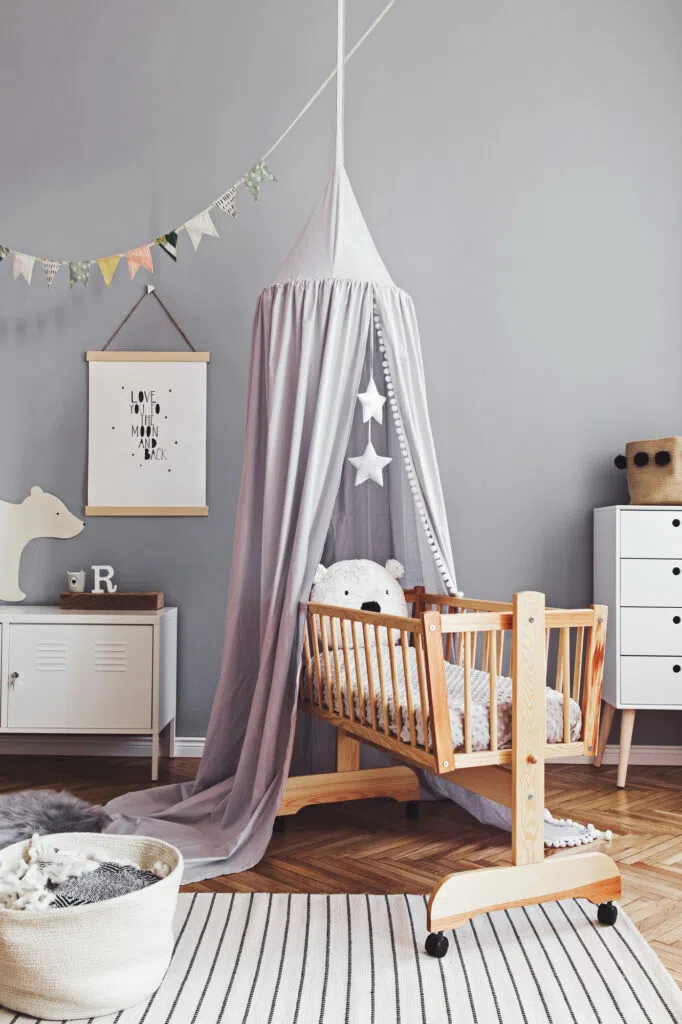
Color selection is one of the most important elements in designing a child’s room. According to international trends, pastel shades—such as mint green, pale pink, and baby blue—remain popular because they create a calming, welcoming atmosphere. In addition, gender-neutral color palettes are becoming increasingly popular, and these can be spiced up with vibrant accessories.
German and Scandinavian interior design trends recommend keeping large surfaces (walls, furniture) light in color and using accent colors primarily in the form of decorations, textiles, and wall-mounted accessories. This way, the room can be easily redecorated as your child’s tastes change. In a small children’s room, light tones also make the space appear more spacious. If you’re curious about the for various interior design styles and their color schemes, it's worth taking the Homilla style quiz.

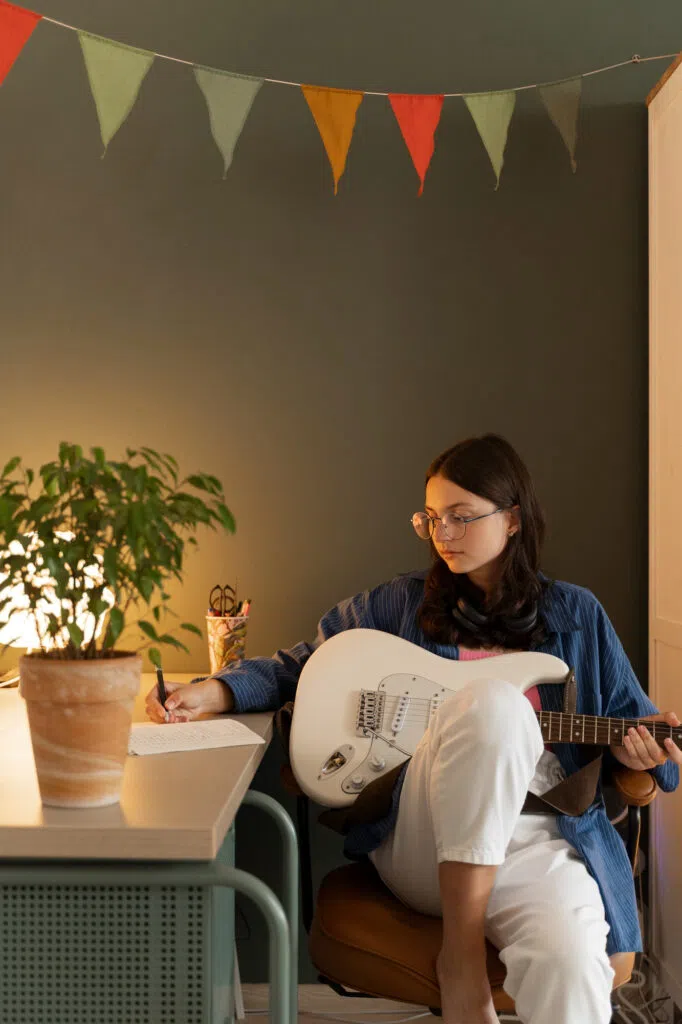
Young children generally prefer rich, primary colors, while adolescents tend to favor unique, personalized color palettes. That’s why it’s practical to build a room around neutral base colors and then incorporate the child’s current favorite colors through textiles, rugs, pillows, and picture frames. This creative interior design approach allows you to refresh the room’s look at minimal cost, without having to repaint the walls.
What Kind of Furniture Should We Choose for the Kids' Room? Choosing a Bed and Desk Made Easy
When choosing furniture, multifunctionality should be the top priority. The crib in the nursery will eventually be converted into a junior bed and then into a standard single bed. Bunk beds and mid-high beds are particularly popular solutions because they provide space underneath for a desk, a play area, or closets, offering valuable extra storage. When choosing furniture, it’s worth selecting pieces that grow with your child, such as a height-adjustable desk, an expandable shelving system, and a practical bed frame.


Thinking long-term, it’s a good idea to choose furniture with a light, delicate design, as this will make the room feel more spacious and ensure it stands the test of time. Furniture with rounded corners made from durable materials is safer. It’s also a good idea to include seating in the children’s room that’s both useful for your child and practical when they’re spending time with friends, so everyone doesn’t have to sit on the bed.


Storage in the Kids' Room: How Can We Avoid Chaos?
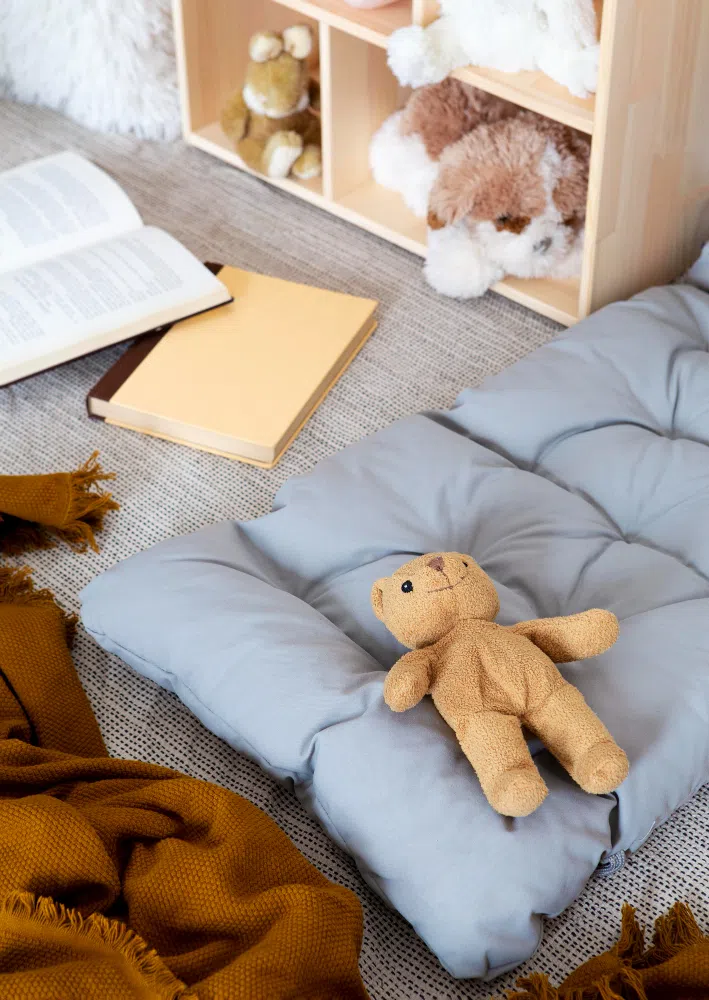
Storage is one of the cornerstones of designing a child’s room. Books, notebooks, toys, stuffed animals, art supplies—without storage solutions, clutter takes over in no time. The best tip is to make sure you have closed storage options (drawers, baskets, boxes), because even if all the toys are neatly lined up on a shelf, it will still look messy. It’s also much easier for young children to tidy up if they just have to toss items into a basket or drawer.
Let’s also make the most of vertical space with wall-mounted shelves, tall cabinets, and under-bed drawer systems, all of which provide valuable storage space without reducing the amount of floor space. German interior design magazines emphasize that well-organized storage makes it easier for children to tidy up on their own, which also plays an important role in developing their skills.
Small Children's Rooms: Solutions for Tight Spaces
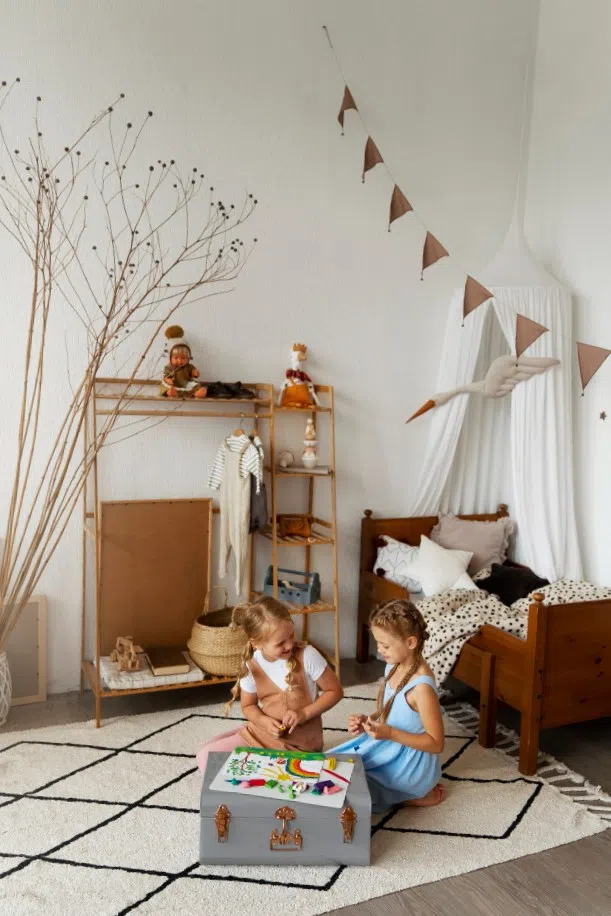
In many families, the children’s room consists of a smaller room or a half-room, and furnishing it sometimes requires extreme creativity. The golden rule in this case is to design vertically rather than horizontally. A study area or play area created under a loft bed or a half-high bed can add extra space to even a 10-square-meter room.
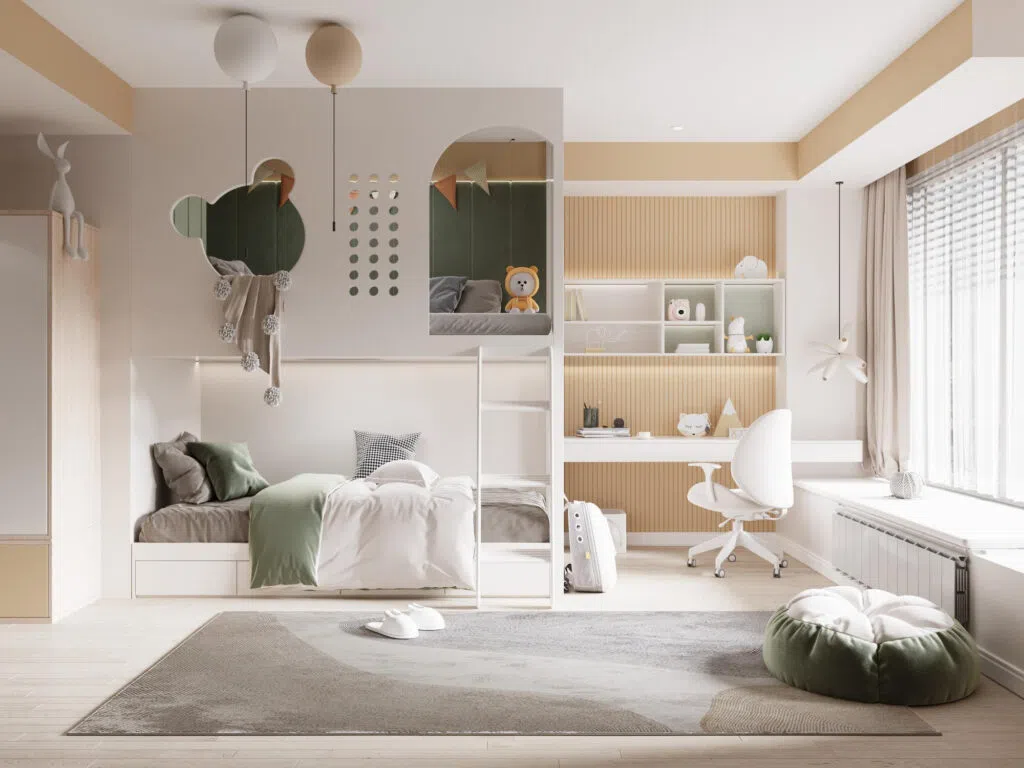
Inspiring themed kids' rooms? Which style should we choose?
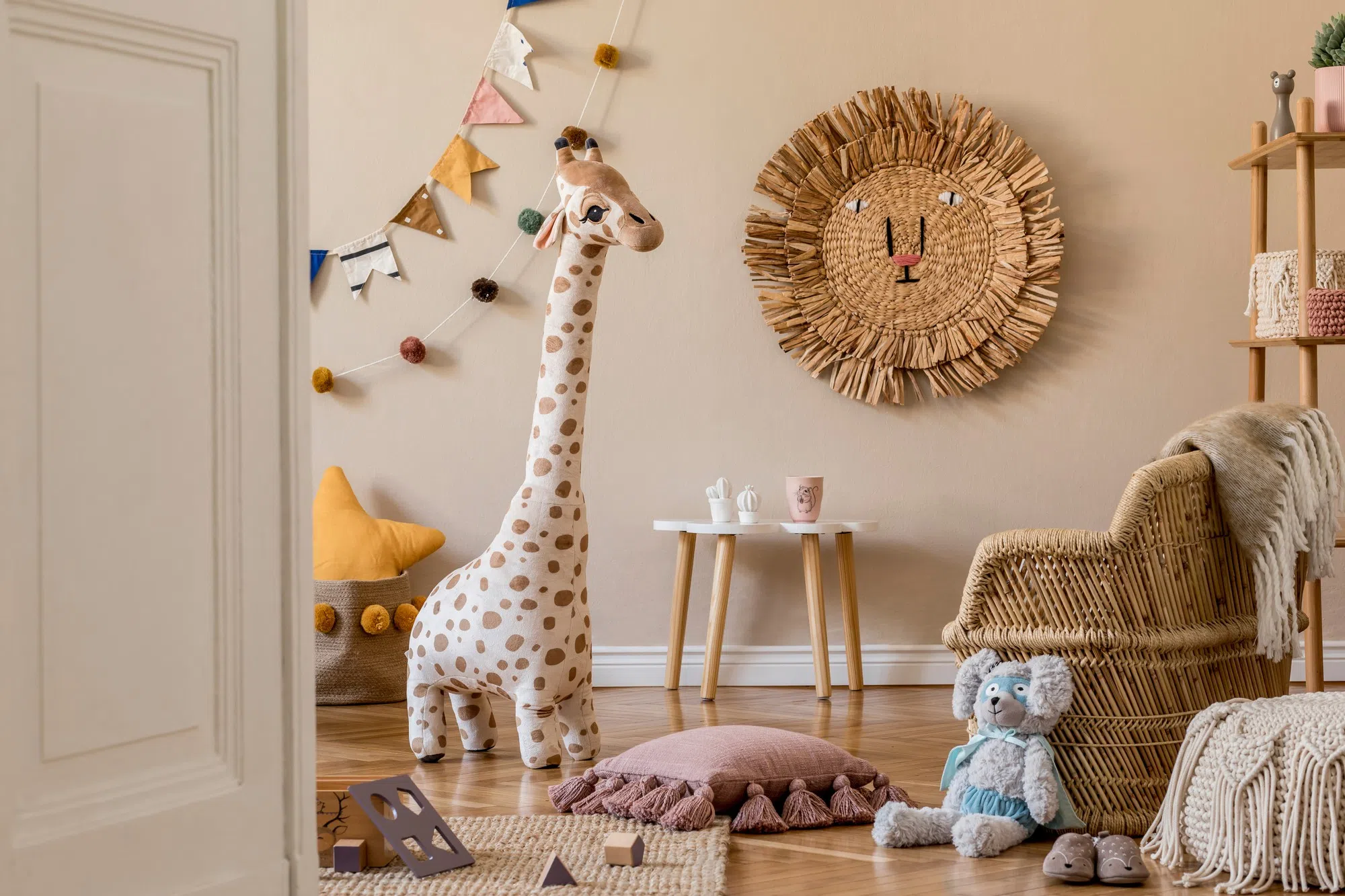
Themed rooms work wonders for a child’s imagination. A jungle, outer space, a submarine, a princess’s castle—or just a few well-chosen decorations—can instantly transform a room into an adventure park.
When designing the room, it’s a good idea to ask your child for their opinion, since a space will only feel truly cozy and comforting to them if they feel it’s their own. Easily interchangeable decorations, wall decals, posters, and textiles allow the room to evolve as the child grows, without the need for a complete renovation. This adaptability is the foundation of timeless interior design.
Wallpaper is also experiencing a renaissance in children’s rooms. Today’s modern versions are eco-friendly, breathable, and easy to clean. A well-chosen themed wallpaper takes center stage, complemented by painted surfaces in neutral tones. Influenced by Scandinavian design, natural motifs—such as forest animals, leaves, and clouds—have become the most sought-after patterns, which look harmonious in any child’s room, regardless of gender.


How do we plan the lighting for a child's room?
A lighting It’s not only a functional element but also one that sets the mood in a child’s room. It’s a good idea to plan for at least three to five different light sources:
- general ceiling lighting,
- adjustable desk lamp for studying, drawing,
- a cozy evening reading lamp,
- subtle nighttime driving light,
- a cozy string of lights.
Allowing as much natural light as possible to enter is also crucial, so avoid placing large pieces of furniture near windows, as they cast shadows.
Designing a Children's Room: What Stages Should We Consider, from the Nursery to the Teen's Room?
The children's room is unique in that it must accommodate roughly five different stages of life over the course of 15 to 18 years:
- infancy (nursery with cribs and a changing table),
- early childhood,
- preschool age,
- when I was in elementary school,
- and finally, adolescence.
Each phase involves different furniture, storage solutions, and layouts tailored to its specific function.
The most cost-effective solution is to create a layout plan for each future stage right from the initial design phase. This way, you can avoid having to call an electrician every few years to move a outlet, or discovering that your new, larger bed won’t fit in the room. A preliminary floor plan created with the help of an interior designer will save you a lot of time and money in the long run in this area as well. It’s worth taking a look at, What exactly does an interior design package include?, because even a single consultation can often be a huge help.
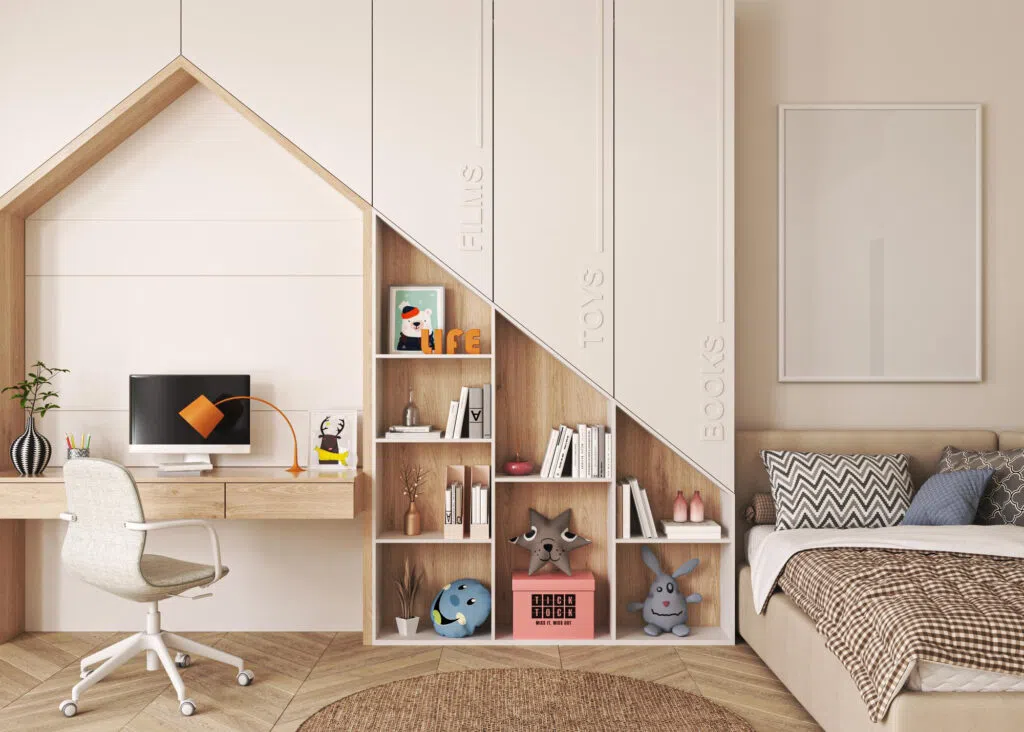
What design mistakes should we avoid in a child's room?
One of the most common mistakes is that parents overcrowd the space with furniture featuring fairy-tale characters and bright patterns. These quickly go out of style, and the child soon outgrows them. Instead, it’s better to create a neutral base that can be made unique with easily interchangeable accessories and creative ideas. Another common mistake is cramming the child’s room into the smallest room in the house, even though that’s where the child spends most of their time.
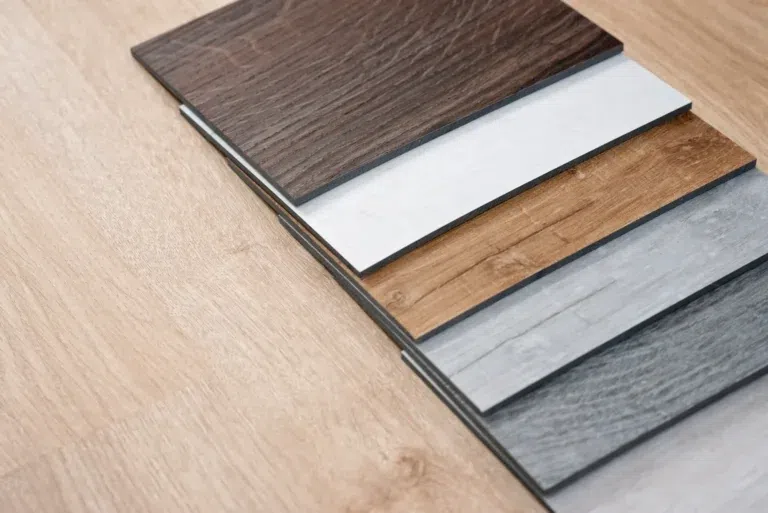
Neglecting safety considerations is also a common problem: securing furniture to the walls, using rounded edges, and choosing non-toxic paints are essential. Let’s not forget about flooring either, as a high-quality, soft carpet not only provides a comfortable play surface but also reduces the risk of accidents.
When should you consult an interior designer about designing a child's room?
Many people think that hiring an interior designer is a luxury, but even a consultation with an expert lasting just a few hours can offer practical solutions that save hundreds of thousands of forints in the long run. Professional help is especially useful if the layout of the rooms isn’t ideal, if siblings are sharing a children’s room, or if parents feel overwhelmed by the sheer number of ideas and materials available. Are you curious about, How much does home decorating or interior design cost?? In reality, it's much more affordable than you might think.
During the interior design consultation, the professional assesses the family’s needs, prepares floor plans, and makes recommendations regarding furniture, colors, and lighting. The result is a harmonious, functional interior where every family member feels at home.