Choosing a rug is one of the most underrated decisions in interior design. Yet the right rug not only brings warmth and comfort to a space, but also adds a great deal to the overall look, sets the mood, and can even make a room appear more spacious. But how do we choose a rug that truly fits our home? In this article, we’ll show you—from an interior designer’s perspective—what to look for when choosing a rug.

Why is it so important to choose the right rug?
A rug helps define the character of a space, separate different functional areas, and tie together the color schemes of the furnishings. A well-chosen rug in the living room, for example, instantly makes the space feel cozy; in the bedroom, it adds softness; and in the dining room, it provides practical protection for the floor. If you choose the wrong rug—one that’s too small, too large, or made of the wrong material—it can ruin the overall look of the entire room.
Choosing a rug is therefore not just an aesthetic decision: functionality, ease of cleaning, and durability are all important factors. That’s why it’s worth making a thoughtful choice rather than just snapping up the first one that catches your eye.
How Do We Choose a Rug for the Living Room?
The living room is the central room in most homes, where the rug plays a key role. In this case, try to choose a size so that, for example, the seating furniture—or at least its front legs—are all positioned on the rug to create a visual connection.
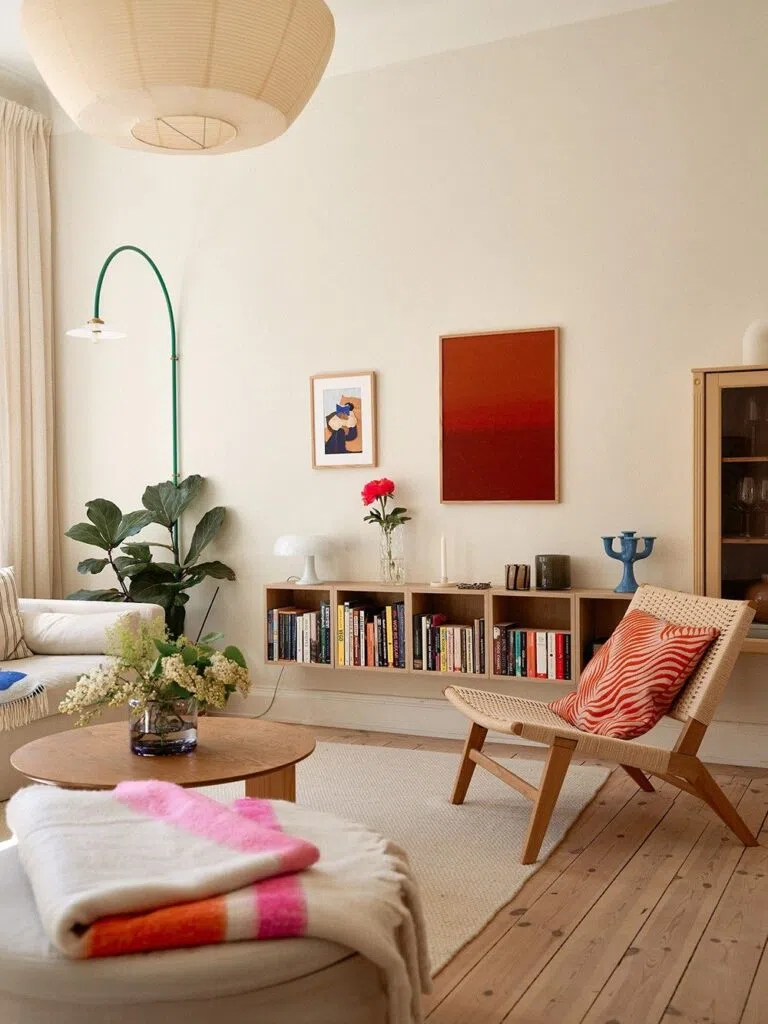
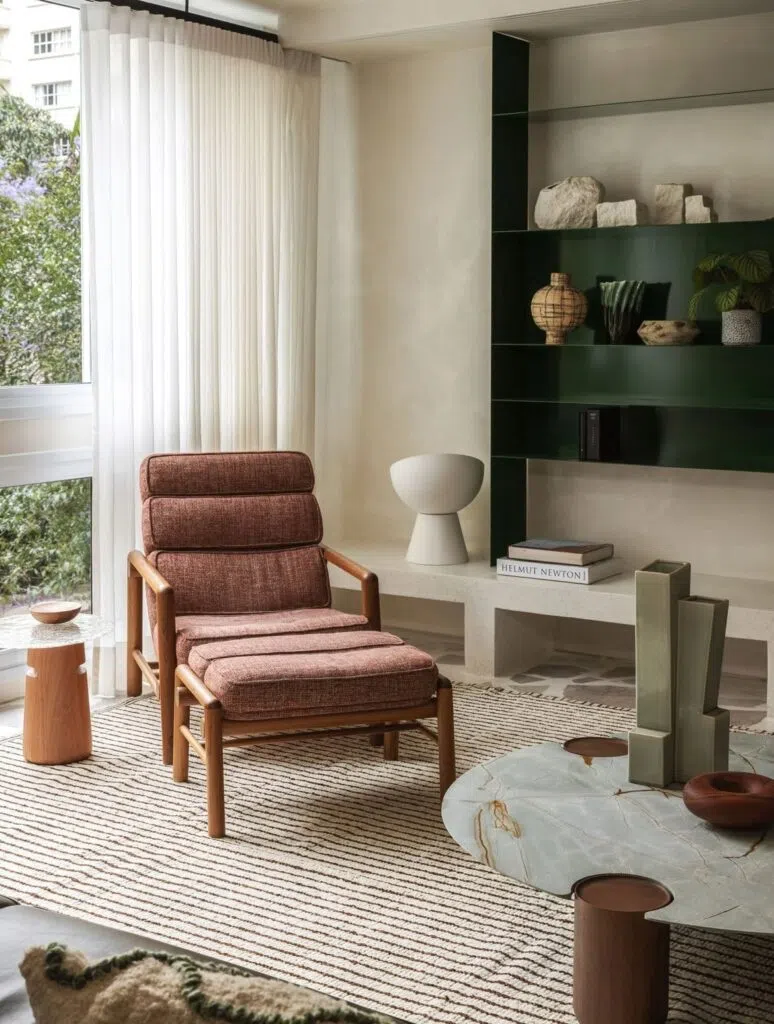
The most common mistake is placing a rug that’s too small in front of the sofa, which creates a „floating island” effect. Ideally, the sofa and armchairs should rest at least partially on the rug. A 160×230 cm rug may be suitable for smaller living rooms, but in larger spaces, a 200×300 cm rug—or even larger—is ideal.
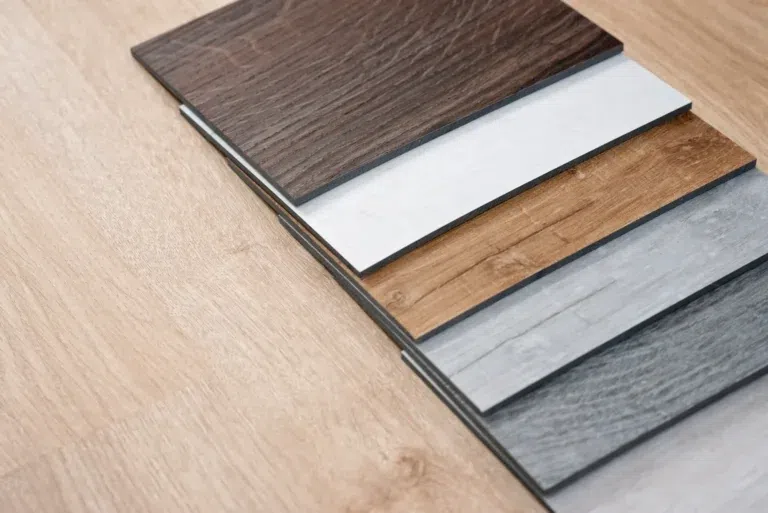
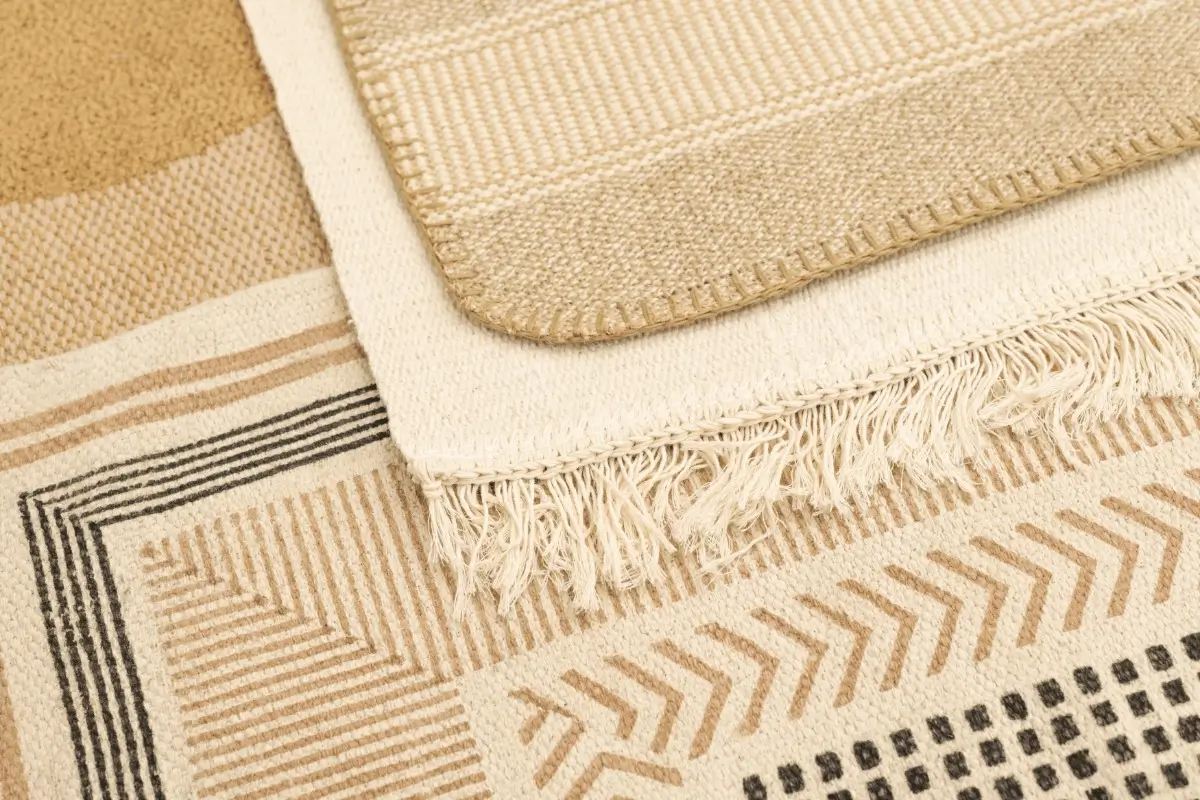
If you want a modern style, choose a solid-color or abstract-patterned rug. If you’re looking for a warmer, more bohemian vibe, patterned, colorful, or Middle Eastern-inspired pieces will complement the space well. The rug’s color should harmonize with the tones of your furniture and walls, but it’s highly recommended to choose a rug that’s different from—or even contrasts with—the color of your floor.
What Size Rug Should You Choose for Different Rooms? A Guide to Choosing the Right Size
Size is one of the most critical factors to consider when choosing a new rug. A rug that’s too large can overwhelm the space, while one that’s too small will look lost in the room.
Here are a few guidelines for choosing the right size:
- Living Room: The rug should be large enough so that at least the front legs of the sofa and armchairs rest on it. We recommend a 160×230 cm rug for smaller living rooms, and a 200×300 cm rug or larger for larger spaces.
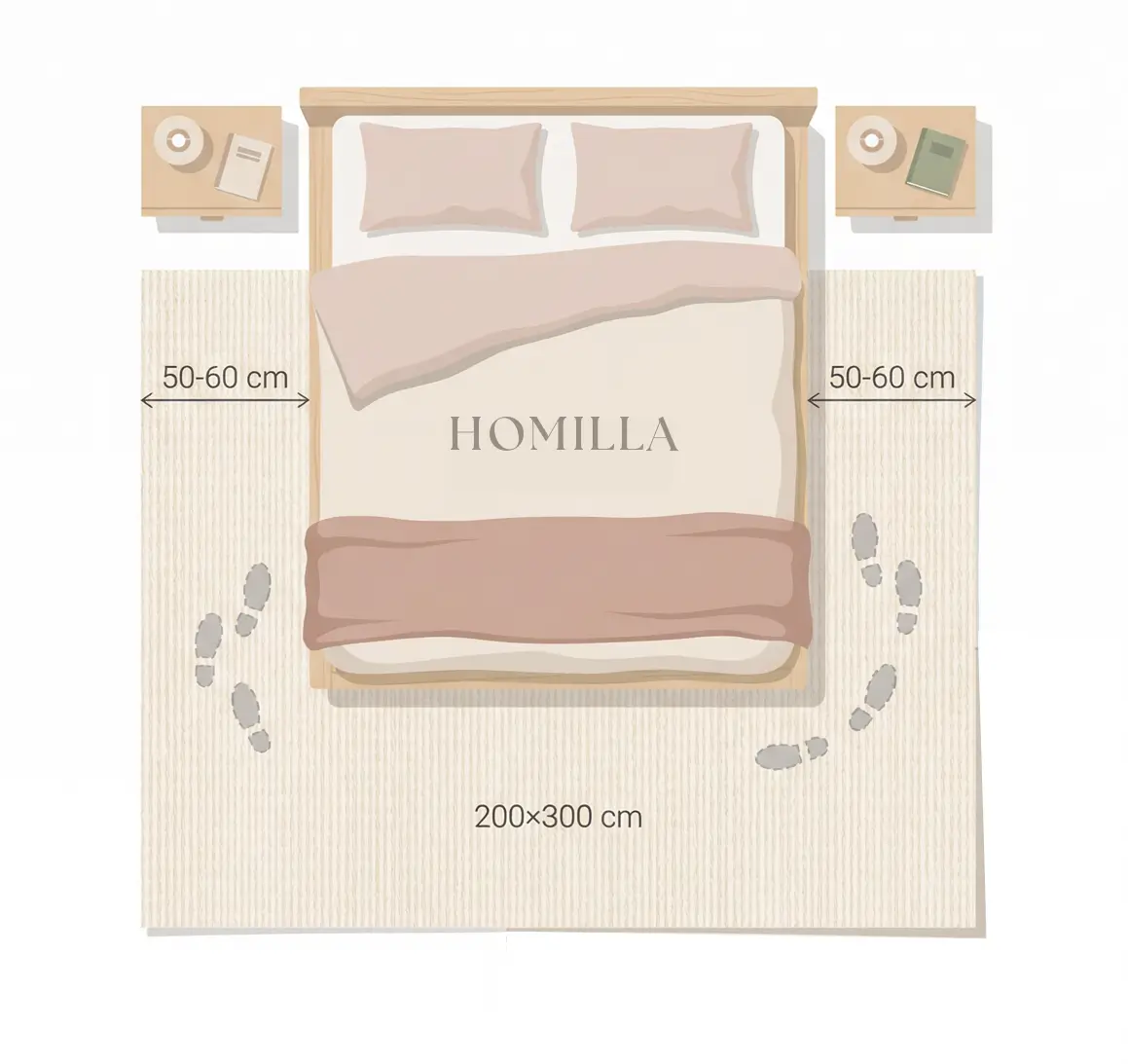
- Bedroom: The rug should extend at least 50–60 cm on both sides of the bed so that you step onto a soft surface when getting out of bed. It should also extend beyond the end of the bed to ensure comfort when moving around. For smaller bedrooms and beds (140–160 cm wide), a rug measuring around 160×230 cm may be suitable, but in most cases, just as in the living room, a size around 200×300 cm works best.
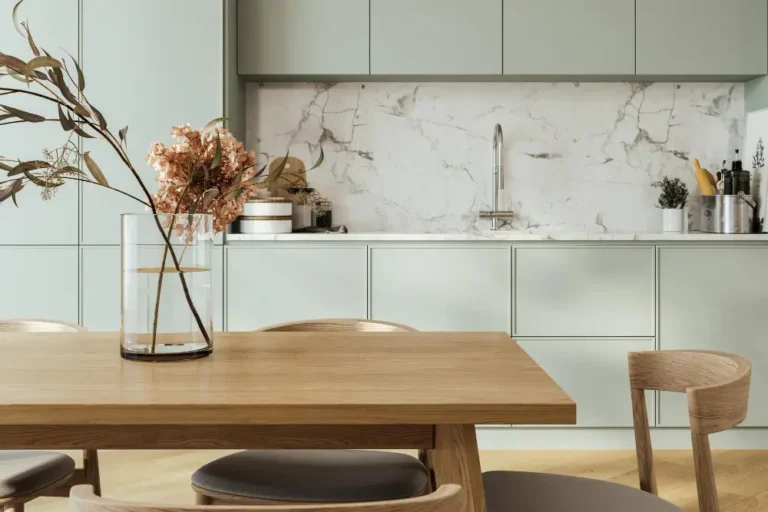
- Dining Room: Choose a rug for under the dining table that is at least 60–70 cm larger than the table in every direction, so that all four legs of the chairs remain on the rug even when the chairs are pulled out.
💡If you're unsure about the size, it's a good idea to mark out the rug's intended size on the floor with tape, for example, before you buy it.
What kind of carpet should you choose? Wool, jute, cotton, or synthetic?
The material of the rug determines its durability, comfort, and ease of cleaning. It’s a good idea to choose a rug that suits the room’s purpose and your lifestyle.
Wool Rug
A wool rug is the king of high-quality rugs. It’s durable, soft, naturally resilient, and ages beautifully. It’s the perfect choice for the bedroom or living room, where you want to enjoy the comfort and plush texture of a rug. The downside, however, is the price and the fact that it may require professional cleaning.


Jute rug
A jute rug is a natural, sustainable material that creates a rustic, Scandinavian, or bohemian look. It’s ideal for the living room or dining room, but keep in mind that it’s not as soft as wool and isn’t recommended for areas prone to moisture.

Cotton rug
Cotton rugs are lightweight, more affordable, and many of them can even be washed in a home washing machine. They’re an excellent choice for smaller rooms, children’s rooms, or as entryway rugs. The downside is that they wear out and flatten more quickly.


Synthetic carpets (polypropylene, polyester)
Synthetic rugs—such as those made of polypropylene—are the most practical and cost-effective choice if you’re looking for a rug that’s easy to clean. They’re ideal for almost any living room, children’s room, dining room, or kitchen. Modern synthetic rugs are now of very high quality and can be attractive, while still being easy to clean and affordable.


Choosing a rug by room: living room, bedroom, dining room, children's room
In every room, different factors play a key role in choosing the perfect rug.
Living Room
For the living room, it’s a good idea to choose the largest, most eye-catching rug, one that ties the furniture together. Choose a rug made of a material that’s durable and can withstand regular use. If you have pets, you should opt for a synthetic or short-pile rug.

Bedroom
In the bedroom, comfort is the top priority. A wool or long-pile soft rug adds a touch of luxury. Since the bedroom sees less foot traffic, even more delicate materials work well there.

Dining Room
When choosing a rug for the dining room, practicality is the main consideration. If you want a rug under the dining table, choose a material that’s easy to clean. In this case, synthetic rugs or flat-woven rugs work best. Crumbs and spilled drinks are a daily occurrence in the dining room, so ease of cleaning is key.

Children's Room
Choose rugs for the children's room that are easy to clean, safe, and, if possible, machine-washable. Cotton or synthetic rugs are ideal. Colorful, cheerful patterns can really brighten up even a simple little room.


Solid-color or patterned rug? Which style should you choose to match your decor?
The color and pattern of a rug greatly influence the atmosphere of a room. A solid-color rug provides a calm, uncluttered backdrop, while a patterned rug can serve as an exciting focal point for the space.
When Should You Choose a Solid-Color Rug?
- If your furniture or walls already have a distinctive look or pattern (e.g., colorful or boldly patterned wallpaper)
- If you're looking for a minimalist, Scandinavian, or modern style
- If the room is small and you want to make it look more spacious
When Should You Choose a Patterned Rug?
- If your furniture is simple and solid-colored
- If you want to bring character and personality to the room
- If you want to create a bohemian, eclectic, or classic atmosphere
For example, a pastel green rug evokes a sense of nature, while beige and earth tones create a cozy atmosphere, and blue fosters a calm ambiance. When choosing a colorful rug, consider your existing furniture, textiles, and wall color as well.
💡If you're not sure what style suits you, Take our free interior design style quiz.
Circle or rectangle? Choosing the shape of your rug
Most rugs are rectangular, but round or amoeba-shaped rugs are also becoming increasingly popular, especially in smaller spaces or with unique layouts.

A round rug is perfect:
- For use under a round dining table
- In smaller spaces where you want to soften the look of angular furniture, such as a child's room
- In a separate reading corner or play area
- As a decorative element

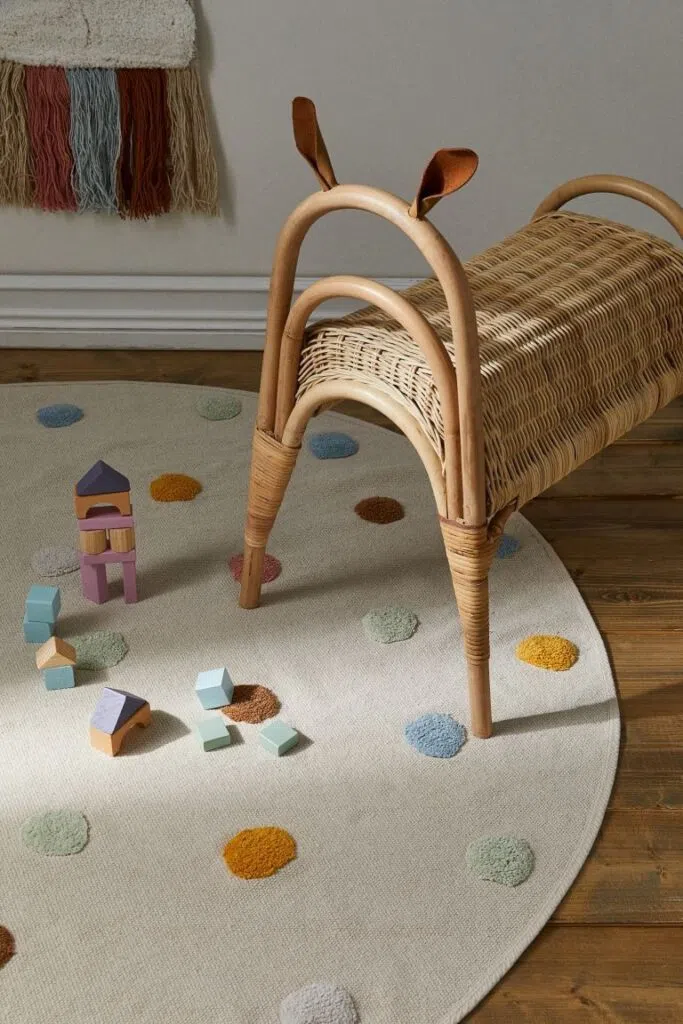
A round rug makes a room look more dynamic, but it’s best to use it with caution: if it’s too small or placed incorrectly, it can easily „get lost” in the room.
How can you avoid the most common mistakes when choosing a rug?
It's easy to make a mistake when choosing a rug. Here are the most common pitfalls and how to avoid them:
1. The rug is too small: Many people choose a smaller rug because it’s cheaper. But if a rug is too small, it’s actually better to have none at all, because it visually breaks up the space in an unflattering way. It’s better to choose a simpler, larger rug than a more expensive one that’s too small.
2. Inappropriate material: If you plan to place the rug in rooms subject to frequent use or in a dining area, avoid delicate materials that are difficult to clean. Always choose the rug’s material based on the room’s function.
3. The rug doesn't match the room's dominant style: If the rug doesn't match the other elements in the room, it creates a sense of dissonance. The rug is part of the overall look, so it's important to choose it carefully.
4. You don't check the size beforehand: If you're looking for a rug, always mark out its intended size on the floor beforehand. That way, you won't be in for a surprise when your new rug arrives.
When should you consult an interior designer about choosing a rug?
If you're unsure about what size rug to choose, what material would be ideal, or if you simply want the rug to fit perfectly into your home, it's a good idea to consult a professional.
A Near Homilla That’s exactly where we can help. Whether you’re looking to furnish a single room or redesign your entire home, our interior designers will help ensure that every detail—from the rugs to the furniture—works in harmony.
Request a personalized quote and book a free consultation, where an expert can help you determine what kind of design assistance would be best for you. And if you’d like to read more practical interior design ideas, check out the Interior Design Tips and Tricks our article titled...
Summary
Key Things to Know When Choosing a Rug
- Choosing the right size is critical:
A rug that's too small will make the room look fragmented; it's better to choose a larger size.
- The material should be tailored to its function, not the other way around:
Wool for comfort, synthetics for practicality, jute for a natural look.
- Carpet size:
Choose a rug that is large enough to cover at least most of the furniture.
- Ease of cleaning:
The entryway, dining room, and children's room require materials that are easy to clean.
The color of the rug should complement the overall look of the room, but it can also provide a contrast. - Color selection:
The color of the rug should complement the overall look of the room, but it can also provide a contrast.
- Carpet shape:
A round rug is ideal for smaller spaces or for placing under round furniture.
- Final inspection:
Always check the size before you buy.
- Requesting Expert Assistance:
If you're unsure, ask an expert for help.