The Japandi style has become one of the most popular interior design trends in recent years. The Japandi interior design style combines the best elements of Japanese and Scandinavian aesthetics, creating a look that is at once minimalist, natural, and incredibly cozy. In this article, we’ll show you the essential pieces and details you need to easily achieve this calm and timeless atmosphere in your home.

Japandi style: Eastern serenity, Scandinavian simplicity
Japandi is a blend of Japanese and Scandinavian styles, and it is one of the leading interior design trends of the 2020s. The style highlights the shared values of the two cultures: functionality, simplicity, and a respect for natural materials.
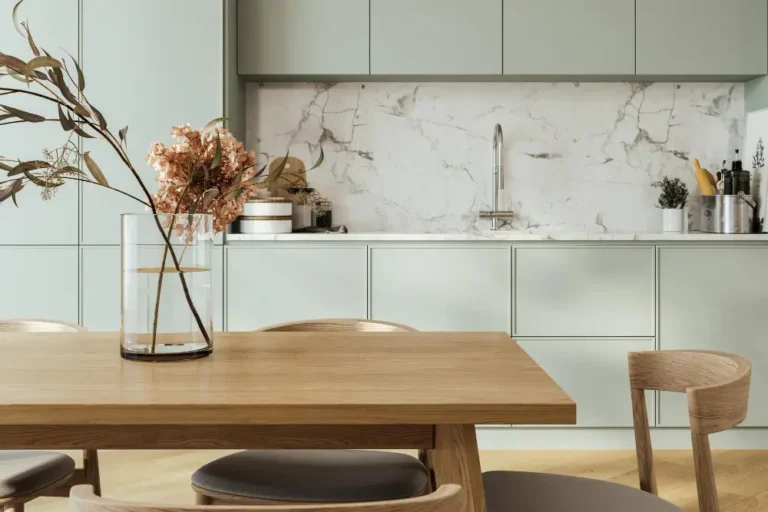
The Japandi interior style is characterized by minimalism and warm, natural tones. Beige, white, and shades of wood dominate, complemented by subtle textures. The decor is understated, and every element serves a purpose. It also embodies the wabi-sabi philosophy—the beauty of imperfection and a respect for simplicity.
This interior design style is perfect if you love calm, meditative spaces but don’t want to sacrifice comfort and warmth. The Japandi style isn’t soulless or sterile; instead, it creates a harmonious and balanced home.
If you'd rather watch a short video right now, click on our related video:
What kind of furniture gives an interior a Japandi style?
At first glance, Japandi-style furniture may seem simple, but in reality, every detail is carefully considered. Its design is clean-lined, featuring lower proportions, rounded edges, and subtle details. It’s best to choose furniture made of natural oak or walnut. Handles on these pieces are often hidden or understated.


Why Are Natural Materials Important?
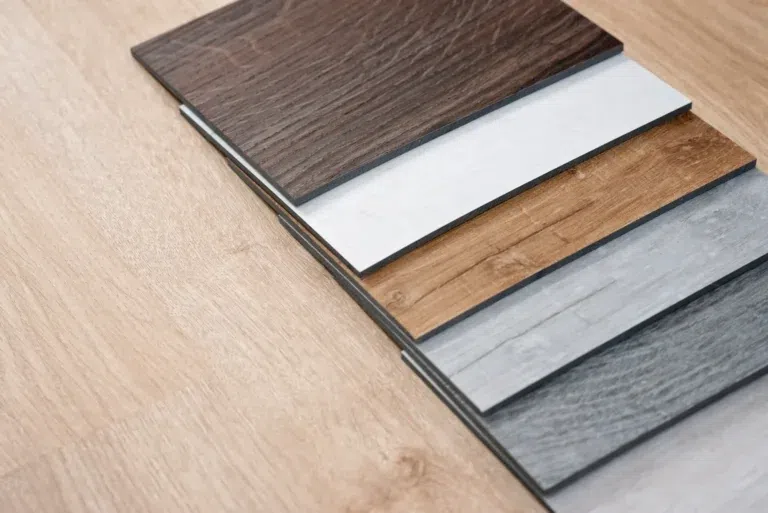
The use of natural materials is perhaps one of the most important hallmarks of Japandi. In addition to wood, bamboo, linen, rattan, stone, and ceramics also feature prominently. The more surfaces made of natural materials in warm tones that surround us, the more peaceful and harmonious the interior will be. What’s more, natural materials are easy to combine with other styles, so choosing them is a good long-term investment.
What kinds of fabrics should we choose?
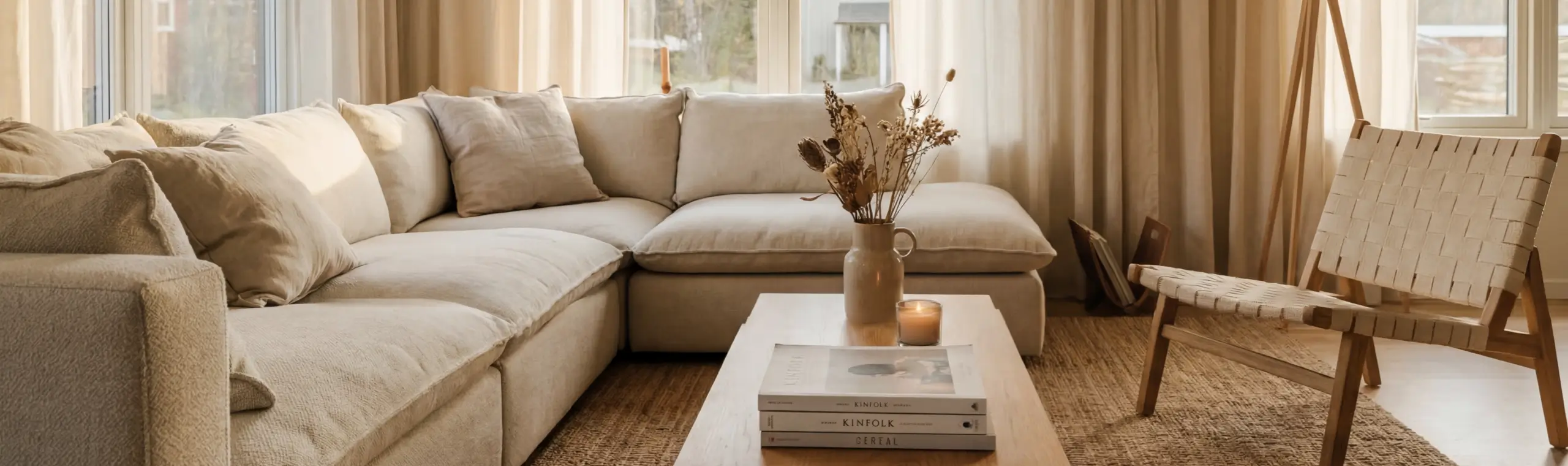
The Japandi vibe often depends not only on the furniture but also on the choice of textiles. Cotton and wool work particularly well in this style, as does linen. A soft wool throw, a few naturally woven pillows, or a simple cotton curtain add much more to the interior than, for example, too many decorations.


What kinds of decorations go well with the Japandi style?
The number of accessories is intentionally kept to a minimum, but each piece serves a purpose. A handmade ceramic vase, a few books, or a unique bowl are all that’s needed.
When it comes to plants, a distinctive houseplant or even a bonsai is a great choice. If you want to add another natural element to the space, a woven basket or storage container can work well, too.
How can we create a pleasant atmosphere with lighting?
One of the secrets of Japandi interiors is proper lighting. Natural light plays a key role, so it’s best to keep the windows as unobstructed as possible.
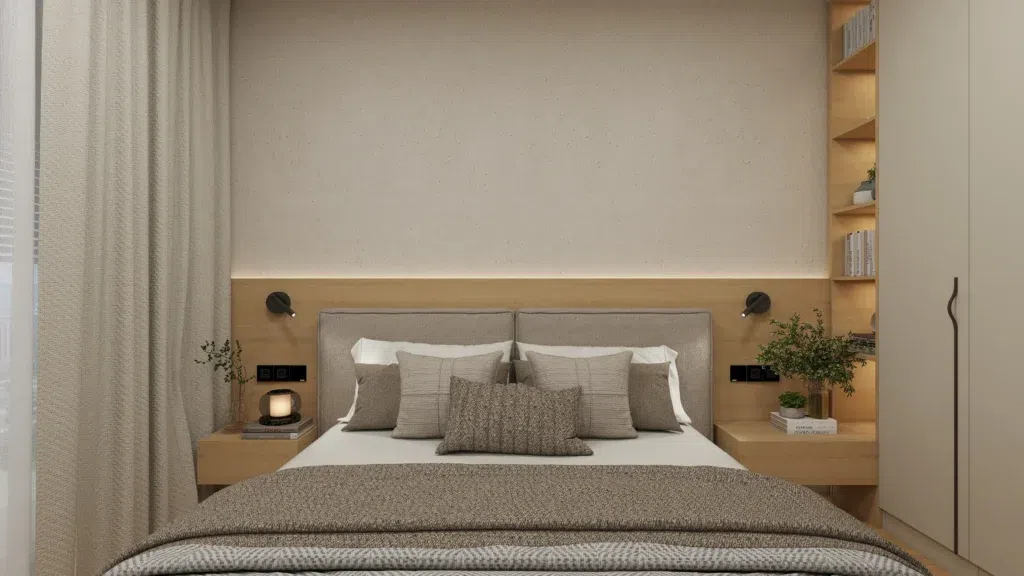
Evening several small light sources It creates a much more pleasant atmosphere than a single, bright ceiling light. Organically shaped pendant lights and a floor lamp with warm light are particularly well-suited to this style.


What should you avoid?
One of the most important rules of Japandi interiors is that there is no place for unnecessary objects. Too much decoration, shiny plastic surfaces, or overly ornate furniture can easily disrupt the sense of calm that this style embodies.
A few well-chosen, high-quality items are much more important than a lot of little knickknacks.
How can we decorate our home in the Japandi style?
As interior designers, we often find that many people think the Japandi style works only in newly built homes. But that’s not the case at all.
With the help of an interior designer, even just a few thoughtful changes can bring you closer to this style. A new rug, a few pieces of furniture with organic shapes, natural materials And muted colors often give a home a completely new character all on their own.
At Homilla, we also believe that rather than copying a trend, it’s better to create a timeless interior that meets the owner’s needs in the long run. This is exactly why Japandi resonates with us—because it’s not about visual spectacle, but about livable spaces, simplicity, functionality, and a respect for natural materials.
The secret to the success of the Japandi style lies not in rules, but in balance. By emphasizing natural materials, clean lines, and thoughtfully chosen accessories, you can create a home that not only follows a trend but also remains comfortable and inviting in the long run. The Best Interiors yet they are always the ones that, beyond mere fashion, reflect the personalities and everyday needs of those who wear them.