A interior design During the design and construction phases, we encounter numerous technical terms; a more precise understanding of these terms helps us grasp the processes and facilitates smoother collaboration among designers, contractors, and clients. The purpose of the interior design glossary below is to explain the most important terms in an accessible way and to provide a practical guide for every stage of design and construction.

Acrylic
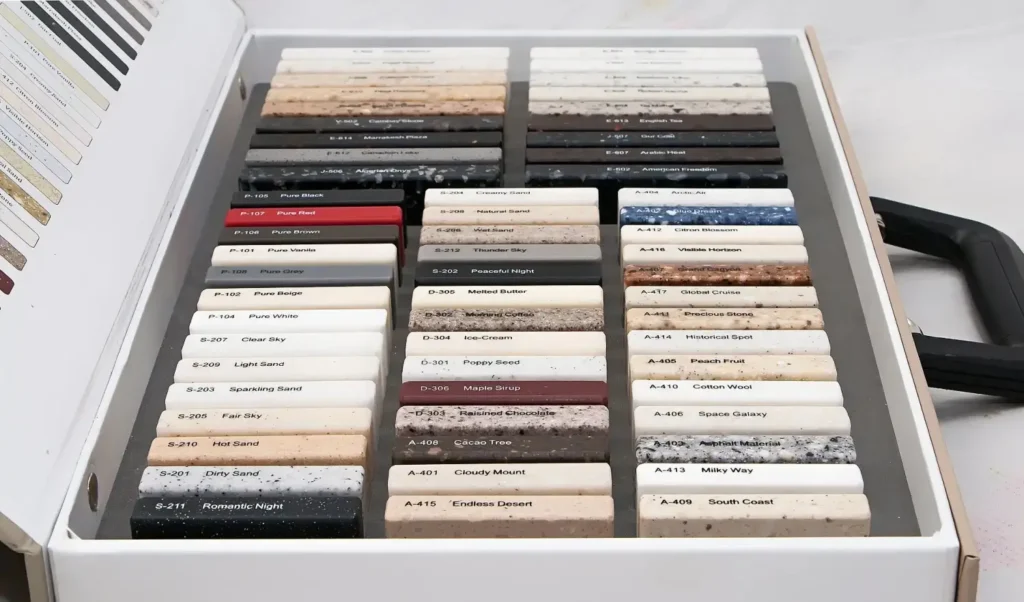
Acrylic is a synthetic material often used for countertops, sinks, and kitchen fixtures. It is durable, easy to clean, and, with its seamless joints, provides an attractive, modern look.
Suspended ceiling
A suspended ceiling is a secondary ceiling layer installed beneath the existing ceiling slab. It can be used to conceal mechanical components, improve the room’s acoustics, and integrate recessed lighting.
Interior Designer
An interior designer is a professional responsible for the functional and aesthetic design of spaces. From spatial planning to finishes and lighting plans with a comprehensive approach as well as the indoor environment.
Cover Replacement Profile
A transition profile is a finishing element used at the junction of two different floor coverings (e.g., tile and hardwood flooring) or as an expansion joint, creating an aesthetic and safe transition.
Cement Tile
A concrete slab Handcrafted, cement-based tiles that create a decorative surface on floors or walls with their distinctive patterns and colors.


Tiles
Tiles are ceramic-based wall coverings that are primarily used in wet areas; they are easy to clean and waterproof.
Chandelier Switch
A chandelier switch is a single-unit double-pole switch that allows two separate circuits (or light sources) to be controlled individually or simultaneously from a single junction box.
Sprinkler
This showerhead is designed to provide a comfortable showering experience by delivering a evenly distributed stream of water from a height above head level.
Wall sconce
A wall sconce is a wall-mounted light fixture used for mood lighting or as a supplementary light source.
Wall Niche
A wall niche is a storage or decorative element recessed into the wall, offering a space-saving and aesthetically pleasing solution.
Front
The front is the visible, openable part of a piece of furniture (door, drawer front) that defines its visual appearance.

Folding
Beveling is the process of cutting edges at a 45-degree angle—that is, slightly slanting them—on furniture or paneling, which serves both aesthetic and protective purposes when the pieces are joined at the corners.
Veneered furniture board
Veneered furniture board is a panel covered with a layer of natural wood veneer that gives the appearance of solid wood but has a more stable and affordable structure.
Geometric
The geometric style is a visual aesthetic in interior design based on regular shapes (squares, circles, triangles).
Cold Cladding
Hard-surface flooring is a hard, typically ceramic, stone, or concrete-based covering used on both floors and walls, primarily in wet areas.
IP Protection (IP Rating)
IP protection refers to the dust and water resistance rating of lighting fixtures and electrical devices (e.g., IP44, IP65). In wet areas—even where there is only a risk of condensation—it is recommended to choose a minimum IP44 rating.
Paving Stone
Paving tiles are ceramic floor tiles that are wear-resistant, slip-resistant, and easy to clean.
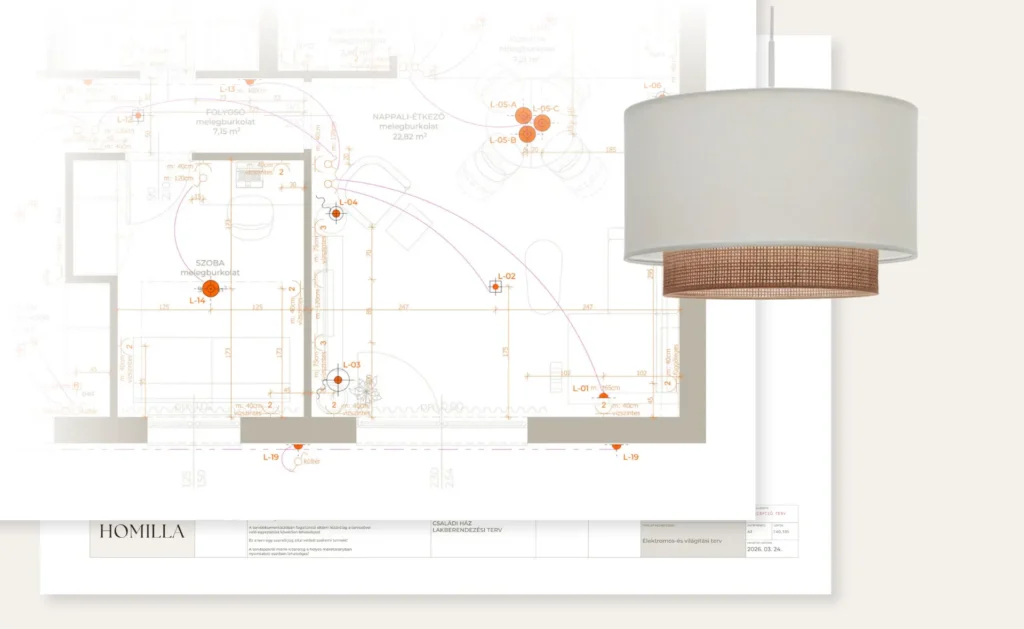
Wiring Diagram
A wiring diagram is a drawing of an electrical system that shows the location and operation of switches, lights, and circuits.
Ceramic paint
Ceramic paint is an innovative coating that contains microscopic ceramic particles in addition to traditional ingredients (pigments, binders). This unique composition provides wall surfaces with exceptional durability and resistance.
Kitchen backsplash
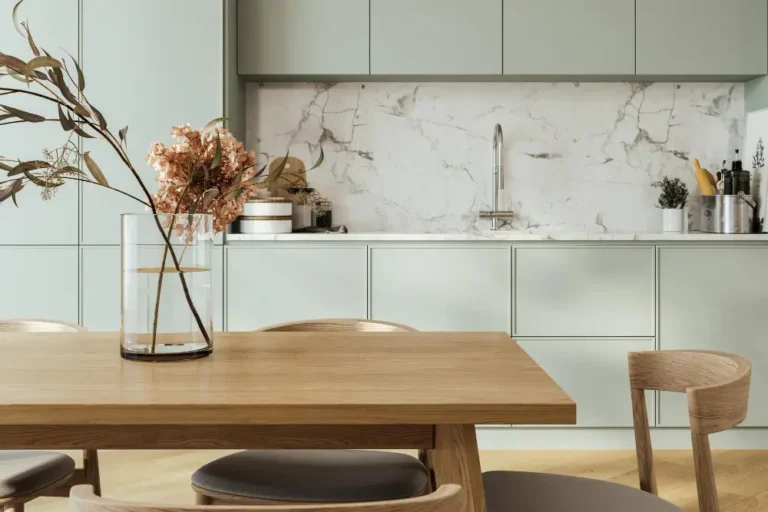
A kitchen backsplash is the covering for the wall section between the countertop and the upper cabinets, serving both a protective and aesthetic purpose. It can be made of tile, a backsplash panel, or a cement finish.
Corpus
The frame is the main structure of the furniture, to which the fronts and other components are attached.
Quartz composite
Quartz composite is a premium-quality, artificially manufactured stone covering that consists of natural quartz and other crushed stones (e.g., granite, mirror or glass fragments), as well as 6–10% of synthetic resin as a binder and color pigments. It is suitable for use as a kitchen countertop or wall cladding.

Laminate furniture board
Particleboard coated with a decorative layer, which is often used in furniture manufacturing because of its good value for money.
Baseboard trim
A trim strip running along the junction of the wall and floor, which covers the expansion joint and protects the wall.
Lumen value
A unit of measurement for the luminous flux of a light source, which indicates the amount of light emitted.
Magic Corner
A pull-out corner cabinet system that makes it easy to store items in hard-to-reach corner spaces.
Insulation
A more flexible, „warmer-feeling” floor covering (e.g., hardwood, vinyl) that provides a more comfortable walking surface than cold flooring.
Mood Board
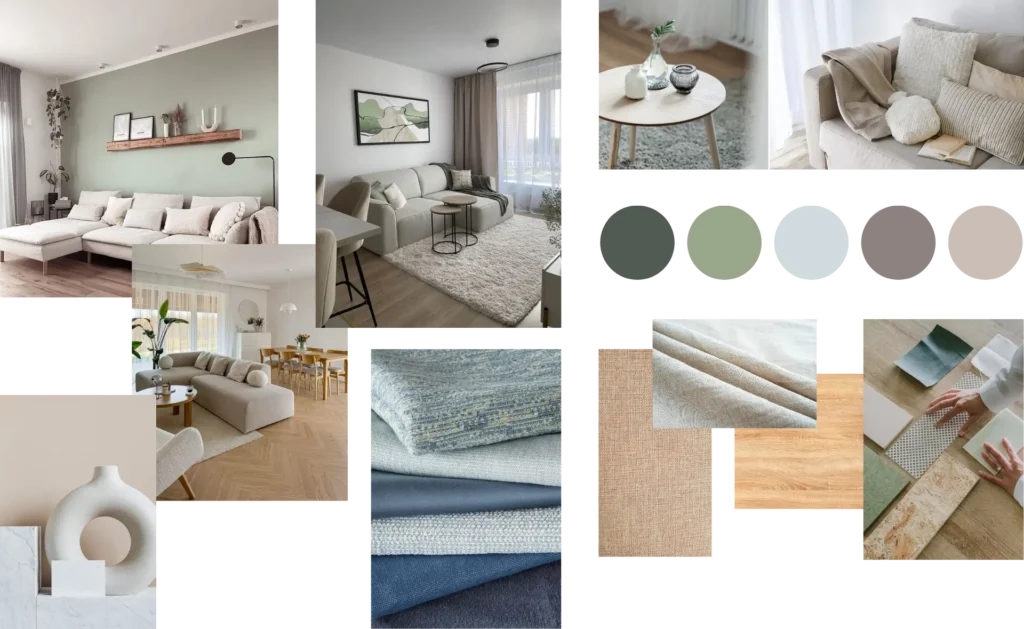
A visual inspiration board consisting of colors, materials, and reference images to help define the design concept.
Organic
In interior design, it refers to a natural, curved style, as opposed to angular and geometric forms.
Passive House
A passive house is a building that its exceptionally low energy consumption This is primarily due to its excellent thermal insulation, airtightness, and controlled ventilation. Thermal comfort, proper orientation, and the thoughtful use of natural light are also important considerations in the design of interior spaces.
Push-open front
A handle-less opening mechanism in which the front panel opens when pressed.
SPC flooring
A stone-plastic composite flooring that is extremely stable, waterproof, and durable.
Color temperature
The value in Kelvin that indicates the „color” of light (e.g., warm white, cool white).
Changeover Switch
A switch that allows a lighting circuit to be controlled from two different locations.
Lighting Design
A lighting thoughtful design that takes into account function, atmosphere, and habits.
Vinyl flooring
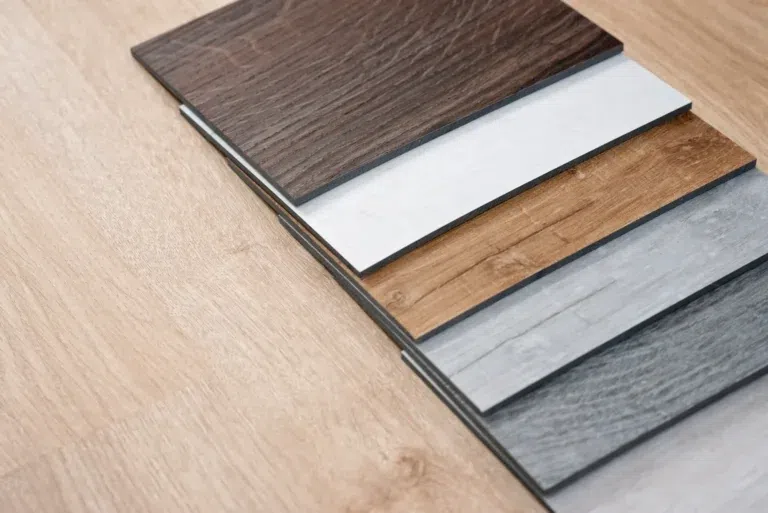
A flexible, multi-layered plastic floor covering that is waterproof and easy to clean.
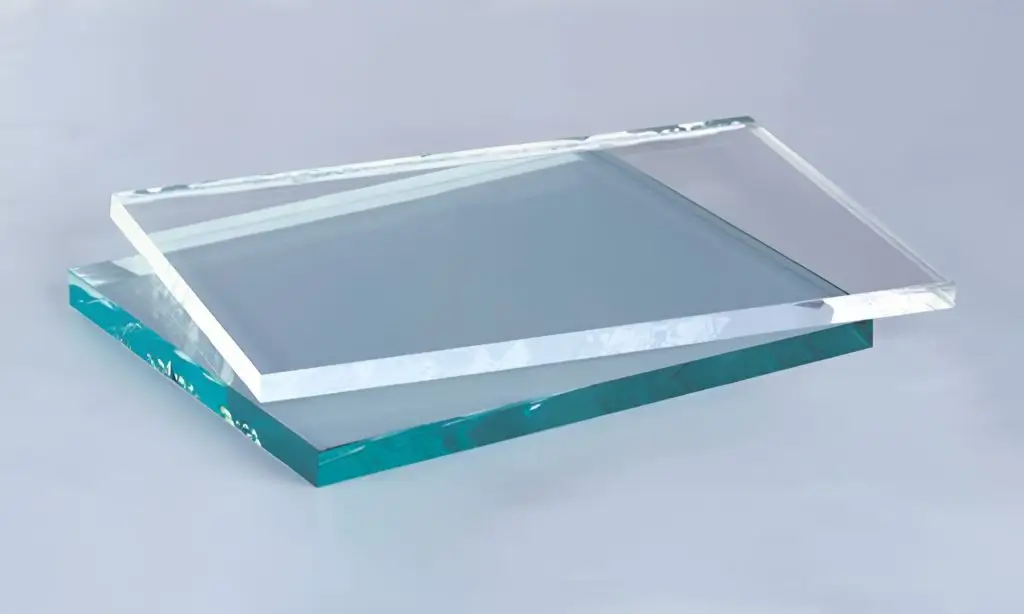
Crystal-clear glass
Extra-clear glass with a low iron content, which gives it a more colorless and translucent appearance. There is no green tint when viewed from the side.
The fields of interior design and architecture use numerous technical terms, and a precise understanding of these terms greatly facilitates comprehension of the design and construction processes. These basic concepts help clients and professionals speak a common language and make both functional and aesthetic considerations clearer when designing custom interiors.