Would you like your home to finally reflect your personality, but you’re not sure which interior design style suits you? You’re not alone. The world of interior design styles can seem overwhelmingly diverse at first: Scandinavian, minimalist, Art Deco, bohemian… but which one is right for you? In this article, we’ll walk you through the most popular interior design styles, highlight their characteristics, and help you navigate your way to finding the style that truly suits you.

What are the most popular interior design styles in 2026?
Interior design trends are constantly changing, but there are styles that have enjoyed unwavering popularity for years. Minimalism and Scandinavian style have dominated since the 2010s, but more and more people are discovering the beauty of Japandi, bohemian, and Art Deco as well.
The most popular interior design style right now is a combination of Scandinavian and modern styles, which emphasizes functionality and simplicity. In addition, spaces incorporating vintage and industrial elements are also experiencing a resurgence. In recent years, “quiet luxury” and mid-century modern styles have also been appearing in more and more homes.
If you'd like to find out which style suits you, Take our free interior design style quiz, which helps you discover the path that's right for you with 98% accuracy.
Scandinavian Style: a harmony of simplicity and functionality
The Scandinavian style was one of the defining trends of the 2010s and has remained one of the most popular interior design styles ever since. The style is based on simplicity, making the most of natural light, and functionality.
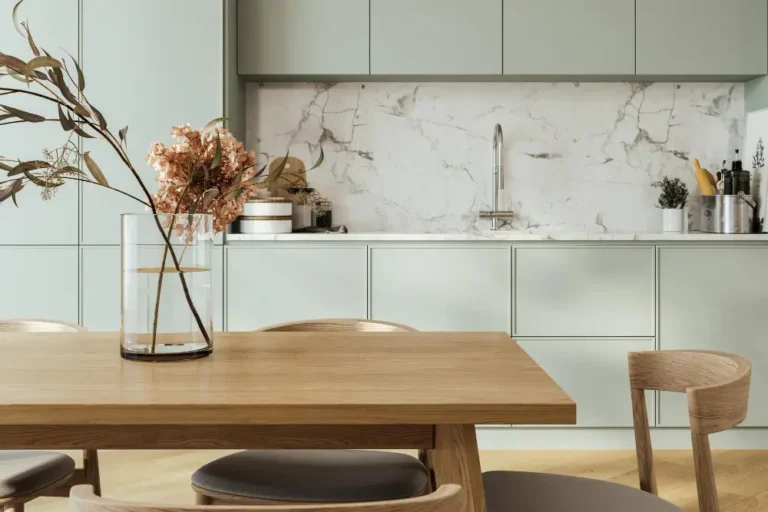
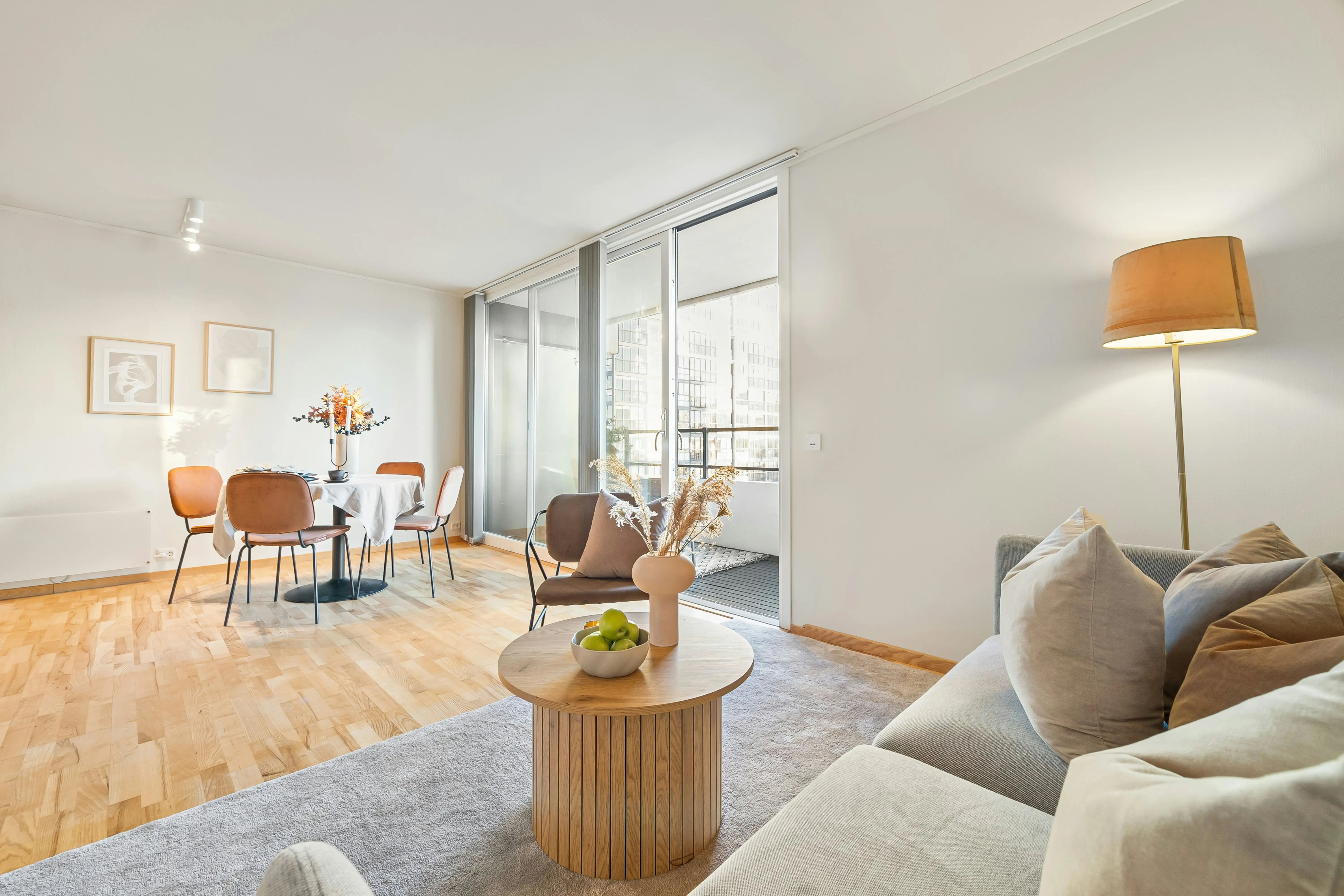
The Scandinavian-style interior is characterized by light colors—shades of white, beige, and gray dominate, complemented by wood textures and natural materials. The furnishings are minimalist, and the decor is understated but not cold: textiles—soft blankets and rugs—bring warmth to the space.
This interior design style is ideal for those who love orderly, serene spaces and believe it’s important for every object to have a function. The Scandinavian style isn’t about glitz and flashy elements; instead, it emphasizes deliberate simplicity and high-quality staple pieces.
Japandi style: Eastern serenity, Scandinavian simplicity
Japandi is a blend of Japanese and Scandinavian styles, and it is one of the latest interior design trends of the 2020s. The style highlights the shared values of the two cultures: functionality, simplicity, and a respect for natural materials.
The Japandi interior is characterized by minimalism and warm, natural tones. Beige, white, and shades of wood dominate, complemented by subtle textures. The decor is understated, and every element serves a purpose. The wabi-sabi philosophy is also reflected in it: the beauty of imperfection and a respect for simplicity.
This interior design style is perfect if you love calm, meditative spaces but don't want to sacrifice warmth. Japandi isn't soulless or sterile—it's harmonious and balanced.
Mid-century modern Style: The Return of Retro Elegance
The mid-century modern style is a revival of the design trends of the 1950s and 1960s. This interior design style combines functionality with playful shapes and a bold yet understated color palette.
Characteristics of mid-century modern include organic, curved lines, slender, angular furniture legs, and natural, mostly darker wood finishes. The design language is clean yet distinctive—think of iconic designer armchairs and geometric patterns. Colors include mustard yellow, terracotta, and olive green.
This style is for those who love the vibe of the last century but don't want to get stuck in the past. Mid-century modern blends easily with contemporary pieces, creating a timeless and unique interior.
Quiet luxury: the art of understated luxury
"Quiet luxury" is one of the defining interior design trends of the 2020s. This style isn't about flashy glamour, but rather about high-quality materials, impeccable craftsmanship, and understated elegance.
A "quiet luxury" interior neutral colors It is characterized by cream-white, beige, warm gray, and soft earth tones. The furniture features simple lines but is crafted from premium materials, such as natural stone or fine leather. Decorative elements are minimal, but each piece is carefully selected.
This interior design style is ideal for those who love luxury but don’t want to be surrounded by glitz. Quiet luxury focuses on quality over quantity—fewer items, but each one is valuable. If you’re drawn to minimalist style and classic elegance, this could be the perfect choice.
Classic Style: Timeless elegance for all ages
The classic style has enjoyed unbroken popularity for centuries, and for good reason. This interior design style emphasizes timeless elegance, symmetry, and durable materials.
The classic interior is characterized by rich textures, warm colors, and ornate furniture. The wooden furniture features decorative carvings, and the textiles may be made of velvet or silk. The color palette is subdued yet cozy: shades of cream, light blue, gold, and brown dominate.
This style is for those who appreciate traditional beauty and don’t chase trends. The classic style never goes out of fashion—that’s the whole point. If you want a home that will be just as elegant twenty years from now, the classic interior design style is for you.
Vintage Style: The Charm of the Past in Your Home
The vintage style evokes the atmosphere of bygone eras—whether it’s pieces from the ’20s, ’30s, or ’40s. Vintage furniture and accessories add character to a space in a way that modern pieces, when used on their own, cannot.
Every piece has a story, whether it’s an antique dresser, an old mirror, or a lamp with a patina. The essence of vintage interior design is uniqueness. Rustic and vintage elements bring warmth and a personal touch to a space. Vintage elements are often combined with modern bases, creating a timeless yet unique look.
This interior design style is ideal for those who love objects with a story behind them and a unique, imperfect beauty. The shabby chic style is a romantic variation of the French country style, characterized by weathered, patinated surfaces and pastel colors: it combines the warmth of the country style with the charm of vintage elegance.
Industrial Style: The Beauty of an Urban Aesthetic
The loft style evolved from industrial spaces and emphasizes the beauty of raw, unfinished surfaces. The industrial style became truly popular during the 2010s, especially among younger generations.
The industrial style is characterized by exposed brick walls, metal elements, raw concrete, and large, open spaces. The color palette is varied, with shades of gray, black, rust-brown, and dark green dominating. The decor often includes vintage elements, such as old factory furniture and industrial lighting. Pipes and wiring remain exposed, which lends the style its authenticity.
This interior design style is for those who love an urban vibe and aren't afraid of raw textures. The loft style isn't about perfection; it's about creating distinctive, unique interiors.
Art Deco Style: Elegance and Sparkle in Interior Design
The Art Deco style evokes the glamour of the 1920s: it is characterized by luxury, elegance, and bold geometric patterns. If you love glitz and spectacular spaces, this interior design style is worth exploring further.
The Art Deco style is characterized by strong contrasts, combinations of gold and black, and rich textures. The furniture often features curved lines, and the accessories are eye-catching: mirrors, chandeliers, and velvet fabrics. Geometric patterns and decorative elements play a central role here.
This interior design style is for those who love dramatic effects and aren't afraid to use bold colors. By choosing the Art Deco style, your home will feel like an elegant hotel, exuding timeless glamour and refined taste.
Bohemian Style: Freedom and Coziness
The bohemian style celebrates a laid-back attitude and creativity. This interior design style doesn't follow strict rules—and that's precisely what makes it so beautiful. It's characterized by bold colors, accessories from different cultures, and unconventional solutions.
The bohemian interior is defined by a sense of personal style and the joy of collecting. Moroccan rugs are mixed with Indian textiles, and vintage furniture is paired with modern art. Plants also play an important role—the more, the better.
This style is for those who like their homes to be unique and personal. Bohemian interior design doesn't follow trends. If you hate uniformity and love to layer and experiment, this style is for you.
Why is it worth learning about different interior design styles?
Before you embark on an interior design project, it’s a good idea to understand the basics of different styles. Not so you can follow rules, but so you can make informed choices and avoid a chaotic end result where nothing goes together.
Understanding different interior design styles helps ensure that your interior design decisions are cohesive. If you know that you’re drawn to the Scandinavian style, it will be easier for you to choose furniture, colors, and accessories. If, on the other hand, you prefer an eclectic style, you’ll know how to mix different interior design styles so that the result is harmonious rather than chaotic.
The variety of interior design styles gives you the opportunity to make your home truly reflect who you are. A interior designer or interior architect This is also where it starts: first, they understand what style you're looking for, and then they help you bring it to life and put together outfits that suit your taste.
How Can You Find the Interior Design Style That's Right for You?
It’s helpful to learn about the characteristics of different interior design styles, but the most important question is: which one truly suits you? To answer that, it’s worth thinking about how you live, what you like, and what kind of atmosphere makes you feel comfortable.
You don't have to strictly follow different interior design styles, since most homes combine elements from several styles. The key is to make conscious choices and ensure the result is harmonious. If you're unsure, it's a good idea to start with one style and supplement with other elementsl.
If you'd like some help, you don't have to make the decision on your own. The Homilla's Free Style Quiz It helps you discover the right path for you in just 3 minutes. And if you’d like expert support, request a free quote, book a free consultation, and let’s discuss how you can bring your ideas to life.
Expert help in bringing your dream home to life
Learning about interior design styles is the first step, but putting them into practice is what really matters. The Near Homilla That’s exactly where we can help: whether you just need some quick advice, want to have a single room designed, or are looking for a full-scale interior design project.
You'll find the right solution for you here:
- Consulting: If you'd like to consult with an interior designer about style choices, materials, or specific questions
- Custom Package: If you're thinking about furnishing or remodeling your entire home, from concept to completion.
You don't have to wander through all the styles and options on your own. The Homilla's Style Quiz In just 3 minutes, we'll show you which direction is right for you, and during the free consultation, we'll discuss the steps you can take to make it happen.